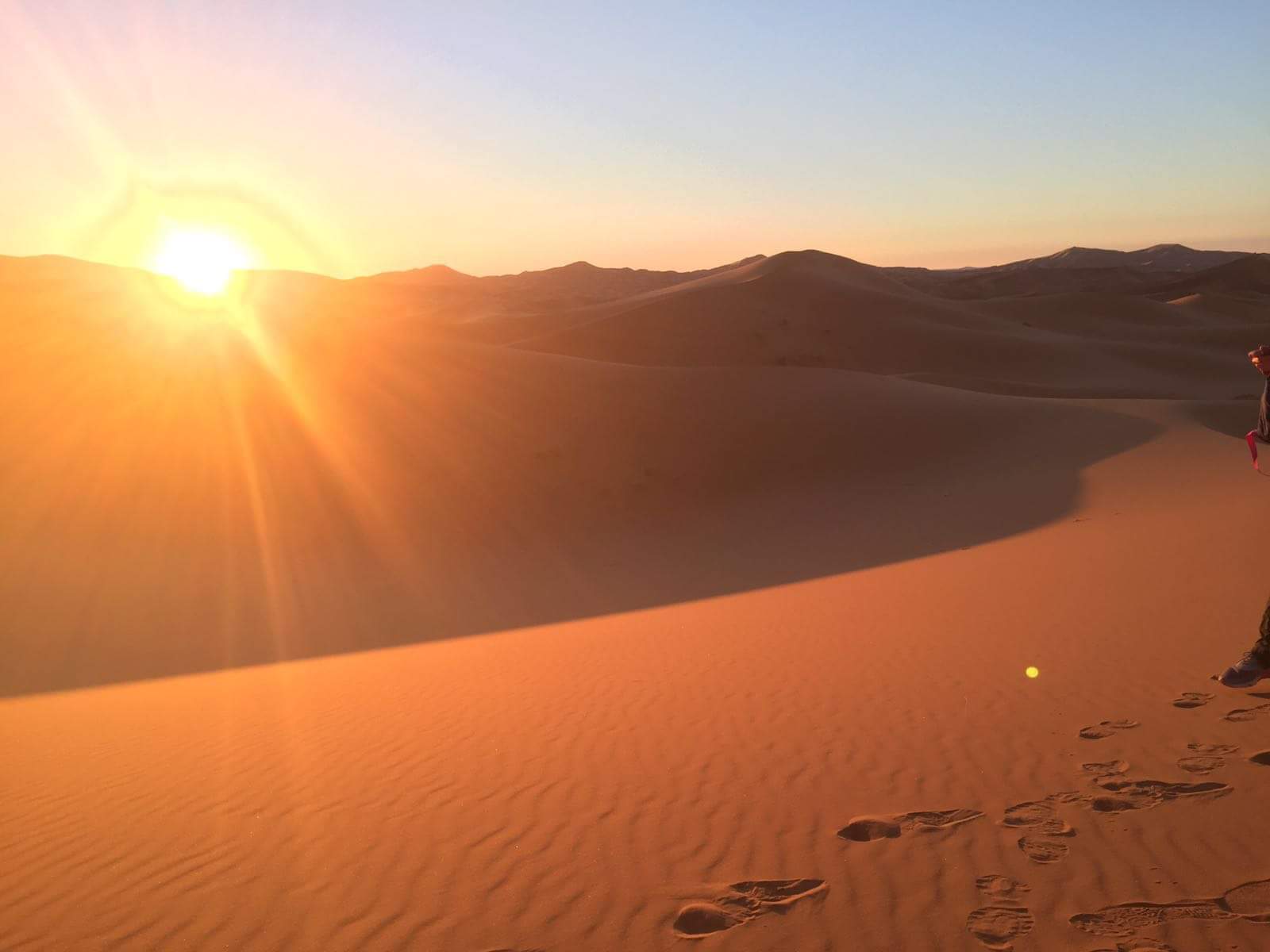

Big South and Kasbahs Tour
Per person sharing
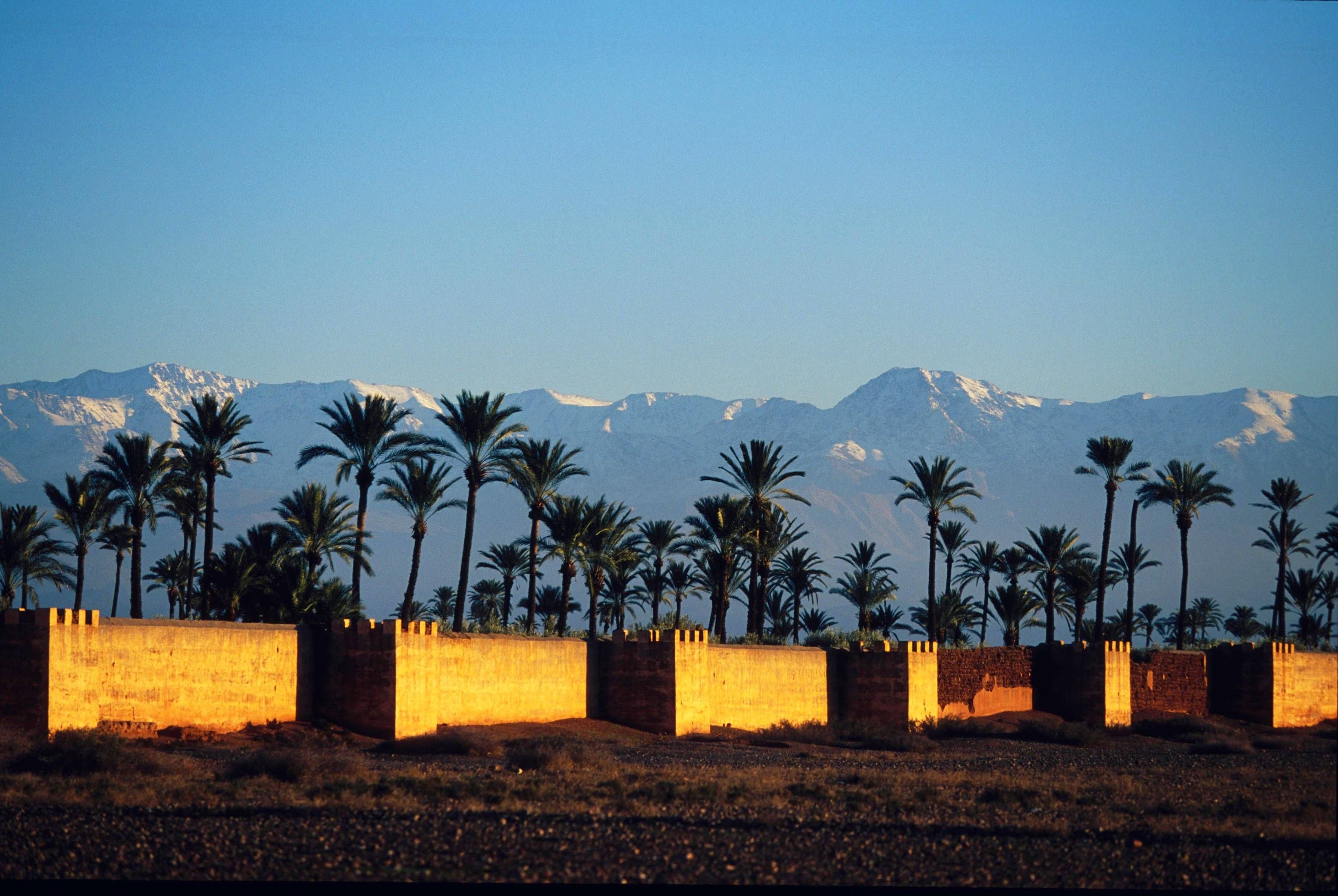
The Morocco Kasbah tour promises an incredible journey through some of the most breathtaking landscapes and culturally rich areas of the country. Starting in Marrakesh and venturing southeast towards the Sahara Desert, this tour offers a diverse range of experiences.
The 4WD adventure through the Atlas Mountains provides a thrilling and picturesque way to explore the varied terrain, from snow-capped peaks to lush valleys. Spending a night in the Sahara under a Nomadic tent is sure to be a unique and immersive experience, allowing you to appreciate the vastness and beauty of the world's largest hot desert.
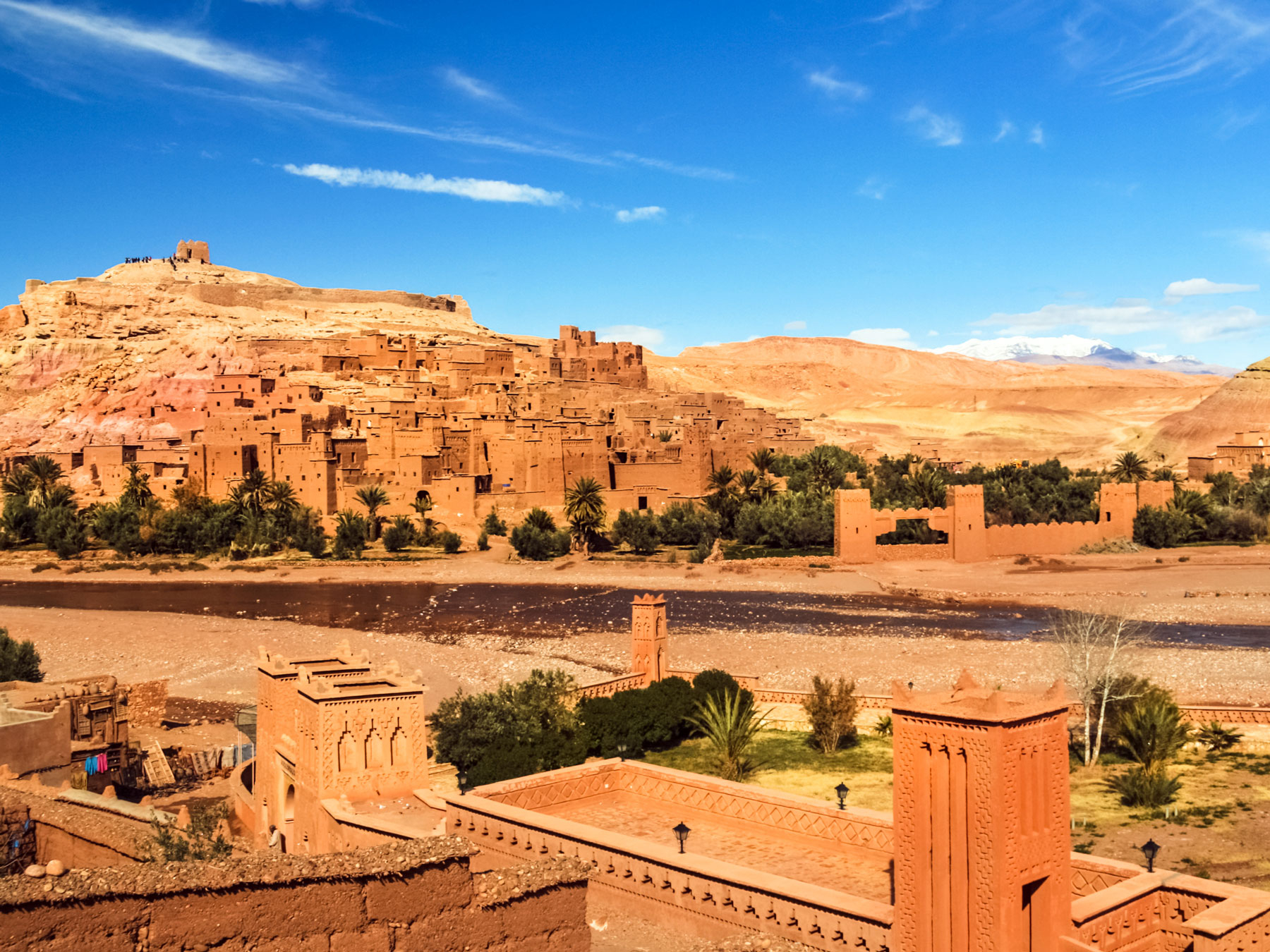
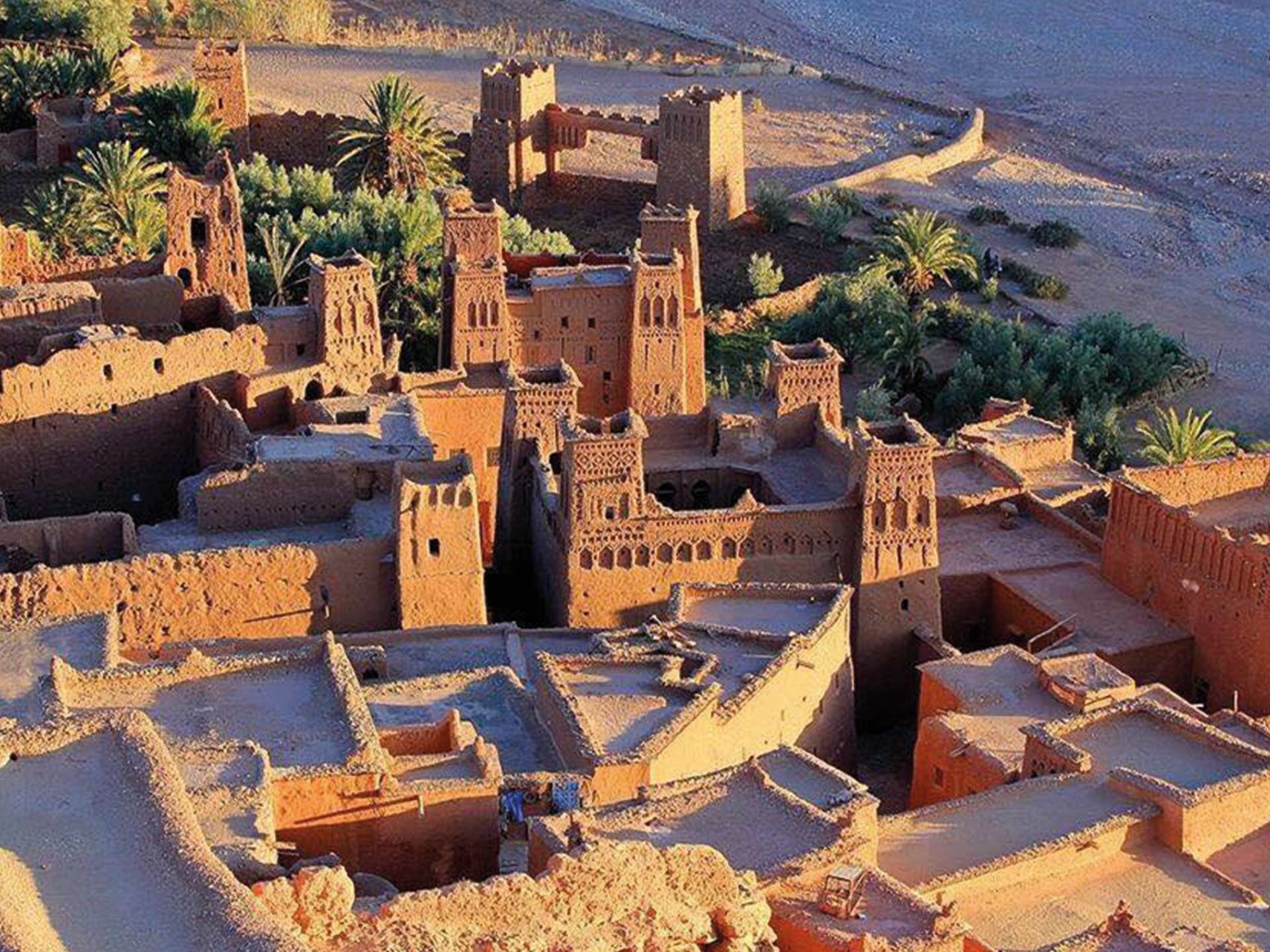
Trekking a mountain range, visiting the historic Kasbahs of Telouet and Ait Benhaddou (a UNESCO monument), and witnessing the sunrise over the Sahara's dunes are undoubtedly highlights that promise to create lasting memories. Exploring the gorges of the Atlas Mountains and encountering numerous villages along the Draa River add further layers to this enriching journey.
 At a glance
| Tue | Welcome to Marrakech. Transfer to your hotel |
| Wed | Marrakech full-day city tour |
| Thu | Travel via Ait Benhaddou to Boumalne |
| Fri | Onward to Erfoud and depart by 4x4 to Merzouga dunes |
| Sat | Continue through the Todra Canyons to Ouarzazate |
| Sun | Return to Marrakech via the Tizi N'tichka Pass |
| Mon | The tour ends with a transfer to Marrakech Airport |
 Highlights
> Weekly departures from Marrakech (Tuesday)
> Two meals daily included
> Full day sightseeing tour of Marrakech
> Explore the southeast of Morocco in 4WD vehicles
> Visit Kasbahs, canyons and travel through splendid sceneries of the pre-Saharan desert
> Option to sleep one night in a Berber Tent
 Quick Contact
 Itinerary
Boumalne-Tinghir-Erfoud (180 km) (B/D)
- Travel to Erfoud passing by the magnificent Todra Canyons where rocks reach an altitude of 250m.
- Optional lunch in a local restaurant near the canyons.
- Afternoon travel to Erfoud.
- Check-in at your hotel and depart by 4WD car to Merzouga Dunes.
- Return to your hotel in Erfoud for dinner and overnight.
- OPTIONAL
- 1) Camel Ride amidst Merzouga dunes and back to the hotel.
- 2) Optional Camel Ride amidst Merzouga dunes and dinner and Overnight under a tent.
Erfoud -Tinghir- Ouarzazate (350 km) (B/D)
- Travel to Ouarzazate passing by Tinjdad oasis and along the Dades Valley
- Optional lunch in Tinghir.
- Continue to Ouarzazate via the road of the 1000 Kasbahs crossing Kalaat M’Gouna & Skoura Valley.
- A short tour of Ouarzazate city upon arrival.
- Dinner & overnight in hotel.
Ouarzazate-Marrakech (220km) (B/D)
- We commence our return journey to Marrakech
- Check-in at your hotel for dinner and overnight
 Inclusions
- Meet and assist on arrival and departure by our local representative
- Sightseeing tours and intercity transfers as per itinerary
- Accommodation in selected hotels in a double room sharing
- Meals: as mentioned
- Local English Speaking Guide
- Entrance fees
 Exclusions
- International flights – Departure & Fuel taxes (Contact us for best airfares)
- Personal expenses, meals and drinks unless otherwise specified
- Travel insurance
- Moroccan visa fee
- Tips
- Services not stated in the itinerary
 Validity
Tour dates: 20 FEB to 28 MAY 24
Contact us for any other travel date required
 Country information
Best time to go
Spring (April and May) and Fall (September and October) are perhaps the best times to take a Morocco Tour. With a summer climate in the south and in the mountains, as well as on the Mediterranean and Atlantic coasts. Winter can be perfect by day in the south, though desert nights can get very cold. Traveling the Sahara Desert is idyllic during the months of November to February. The south is isolated from the rest of Morocco and is arguably the most hospitable, breath-taking and culturally interesting of any region in the country
Morocco food & drink
Moroccan cuisine is famous throughout the world and is quite unique. Full of subtle spices and tantalising combinations of flavours, Morocco's cuisine is sure to please every palate. During your stay in Morocco you must try the warming tagines, flaky pastillas, spicy hariras and fishy chermoula.
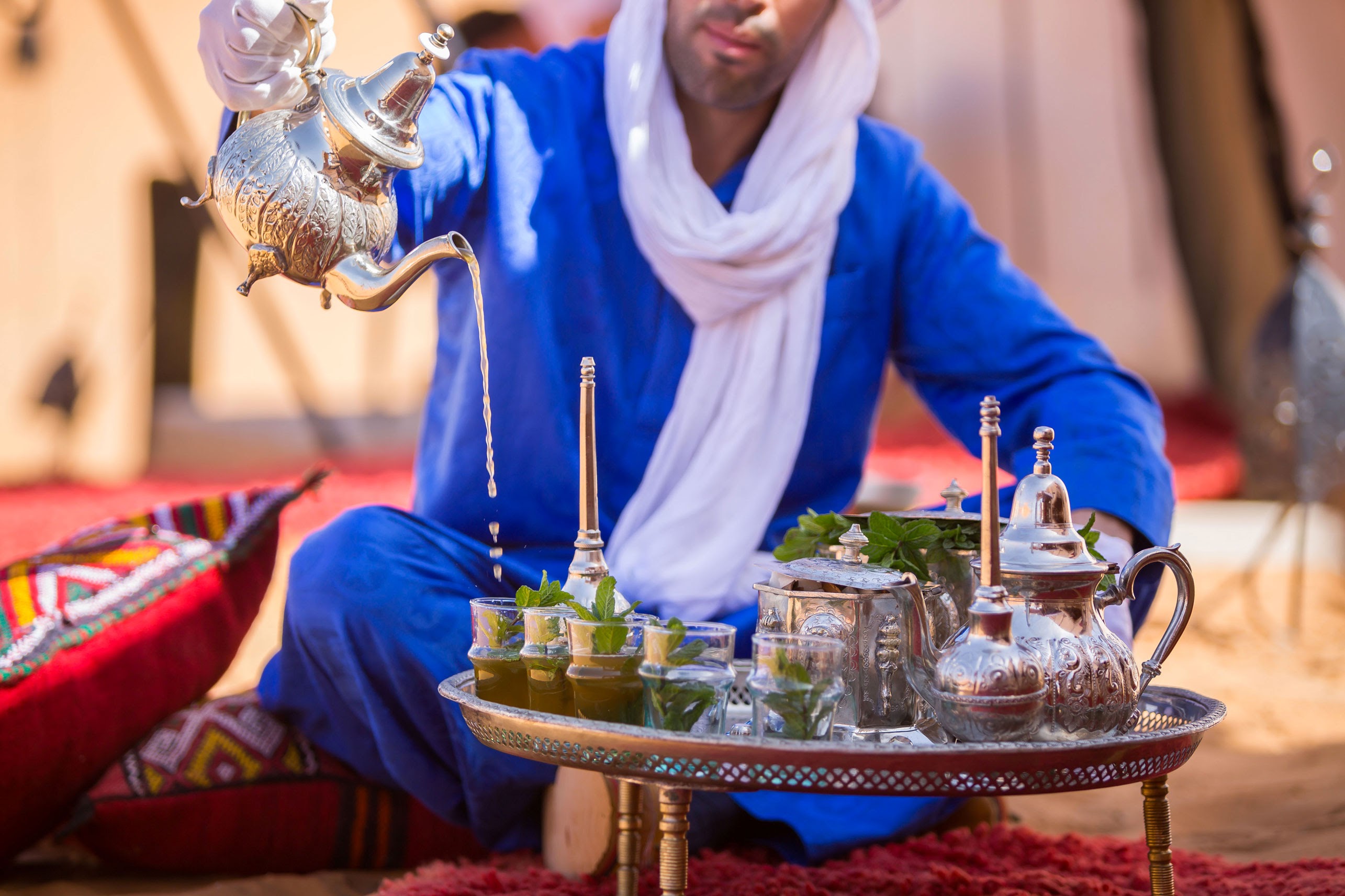
When you’re looking for something to drink, mint tea (known as Berber whiskey) is the national drink and you’ll find it enjoyed everywhere.
Culture and Language
Fridays are a holy day so expect shops and market stalls to close around midday. And during the month of Ramadan (the dates of which change every year) you should refrain from eating, drinking or smoking in public as a mark of respect. The consumption of alcohol is forbidden in Islam, but it can still be purchased in larger stores, especially in touristy areas, and in hotels and restaurants. Arabic and Berber are the official languages. French is often used for business, diplomatic and government issues
Morocco is a visual feast and it can be hard to know where to point your camera first! Landscapes are no problem as they rarely have an issue with their picture being taken. When photographing people though, it’s important to be respectful – imagine how you’d feel if strangers started to take your picture without a by-your-leave! Always ask permission first, and it helps if you get to know your subject a bit better. Moroccans are very friendly, and you should have no trouble getting to know them.
Getting around
Metered “Petit Taxi” are available in all major Moroccan cities. The cheapest and most popular way of getting around to country is to make use of the extensive Coach network. Private operators compete for travelers on the more popular routes. Casablanca has a super modern rapid transit tram system. Moroccan Rail (ONCF) has a network connecting North Morocco only. Centers such as Agadir and Essaouira do not have rail networks
Tipping
There are no hard and fast rules, but it’s generally accepted that a 10% tip is suitable when eating out and for tour guides. Round up your taxi fare to the nearest five dirhams, but don’t feel obliged to tip if you aren’t happy with the service.
Favorite Dishes
B’stilla: a flaky pastry pie is stuffed with steaming tender pigeon meat, almonds and eggs and spiced with aromatic saffron, cinnamon and fresh coriander
Harira: a hearty bowl of soup, prepared with lamb broth, tomatoes, red lentils, chickpeas, topped with a squeeze of zesty lemon juice and a handful of chopped coriander
Tagine: slow-cooked stews always served with bread to mop up those smoky, hearty juices. Chicken slow-cooked with green olives and preserved lemons is perhaps the classic base, but lamb with plums and allspice is certainly a local favourite.
Ktefa: a traditional Moroccan dessert made with warqa pastry. It’s layered with delicious, sweetened fried almonds and covered with a custard sauce
The Atlas Mountains
Travel over the High Atlas mountains and through traditional Berber villages to Zagora and Merzouga. Furthermore, visit the incredible canyon of Todghra Gorge, recognized around the world as one of the most spectacular canyons. Moreover explore some of the ancient Kasbahs, a type of fortress where the local leaders lived and dotted around this region. Visit the Canyon of Dades, Zagora known for international events such as the Zagora Marathon and the Nomads festival before returning to Marrakesh, home to mosques, palaces and gardens, maze-like alleys and thriving souks.