
Morocco Mystical Fes Express
Per person sharing
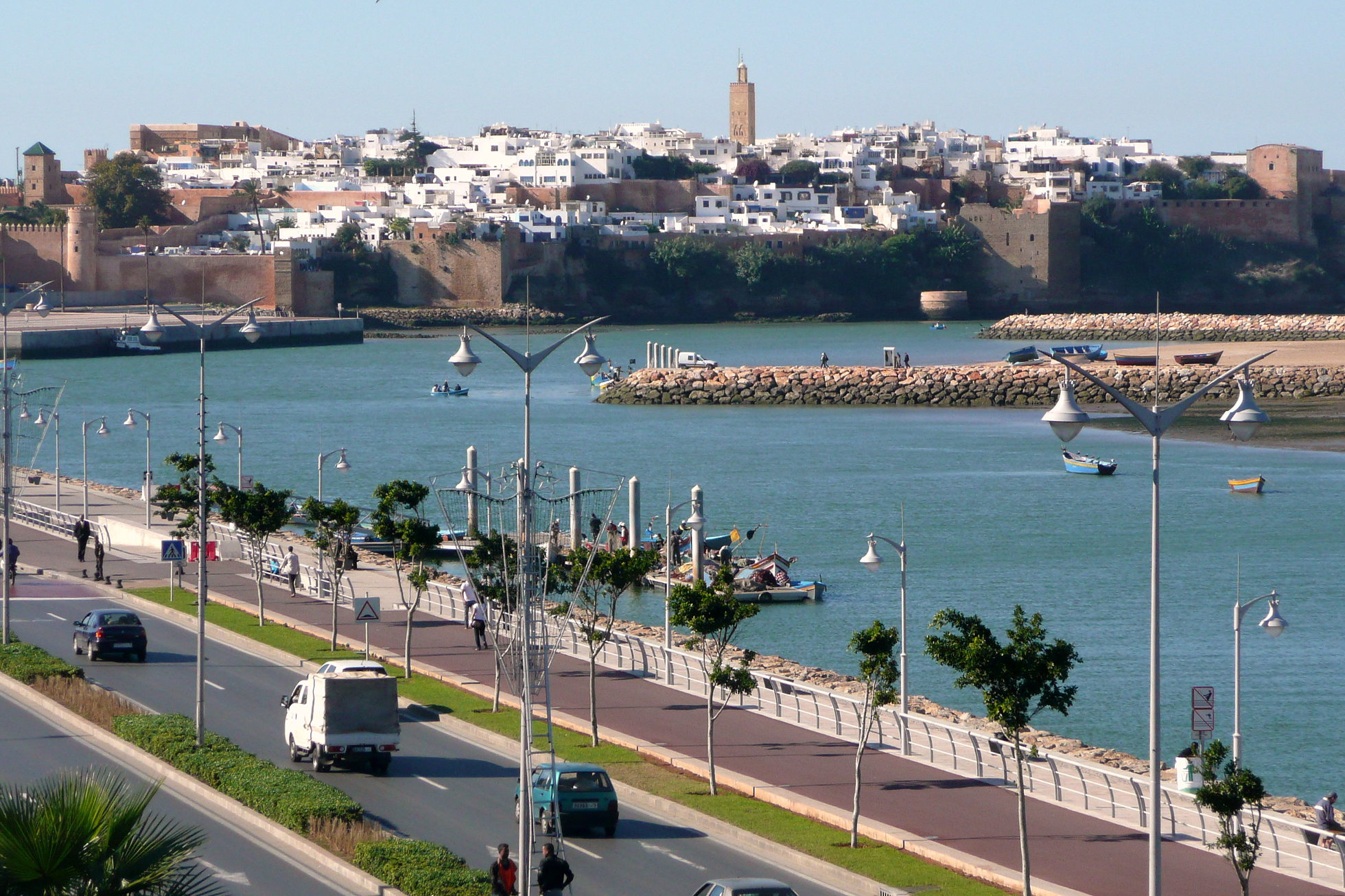
A private Morocco Mystical Fes Express tour from Casablanca is ideal for exploring some of Morocco's most historically and culturally rich cities.
Visiting Casablanca, Moulay, Meknes, Moulay Idriss and Fes within an express tour offers a glimpse into the diverse heritage and beauty of the country.
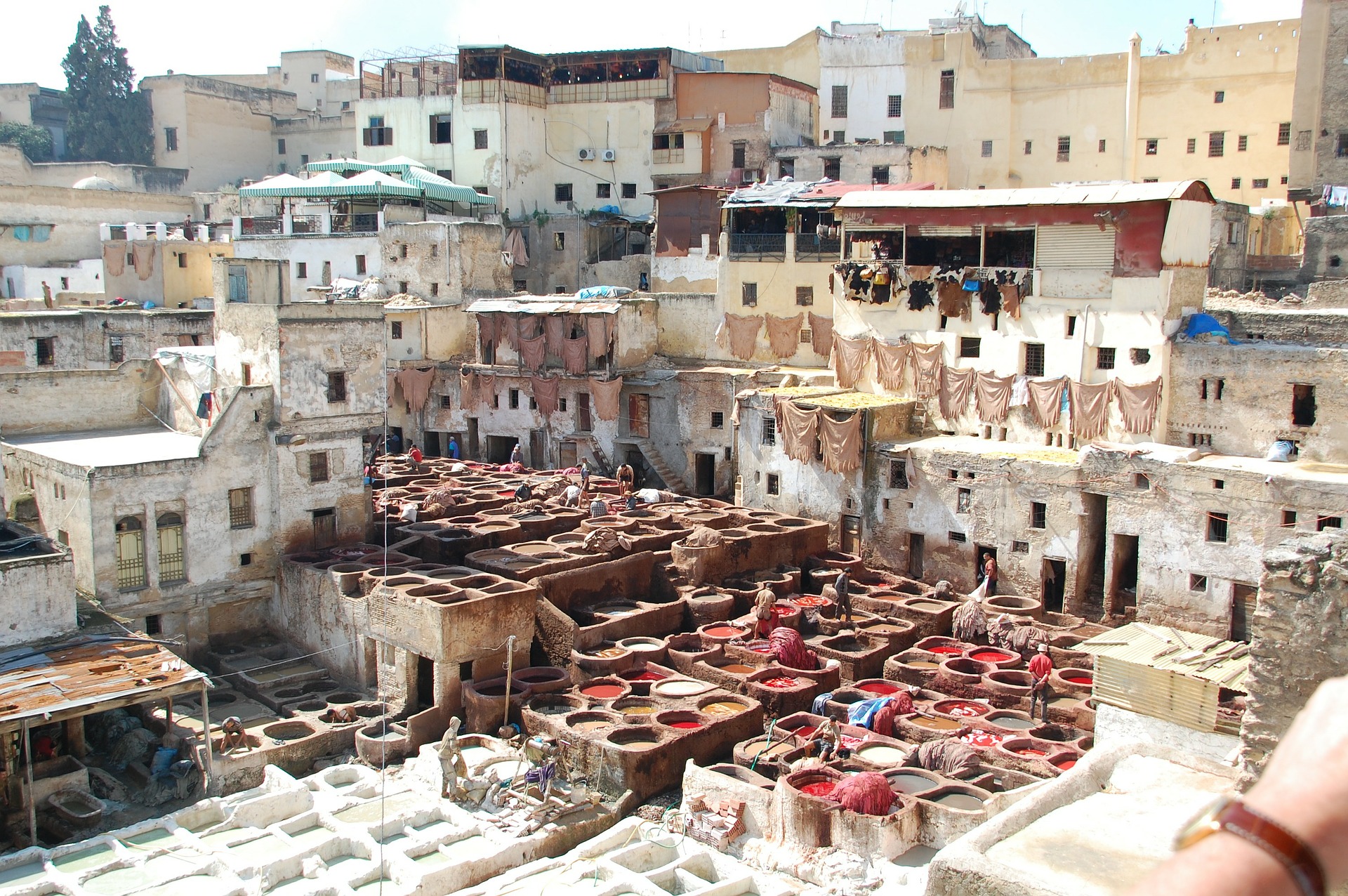
Each of these cities holds its own unique charm and historical significance. Casablanca, with its modern vibe and Hassan II Mosque, contrasts with the ancient allure of Fes, known for its intricate medina and traditional craftsmanship.
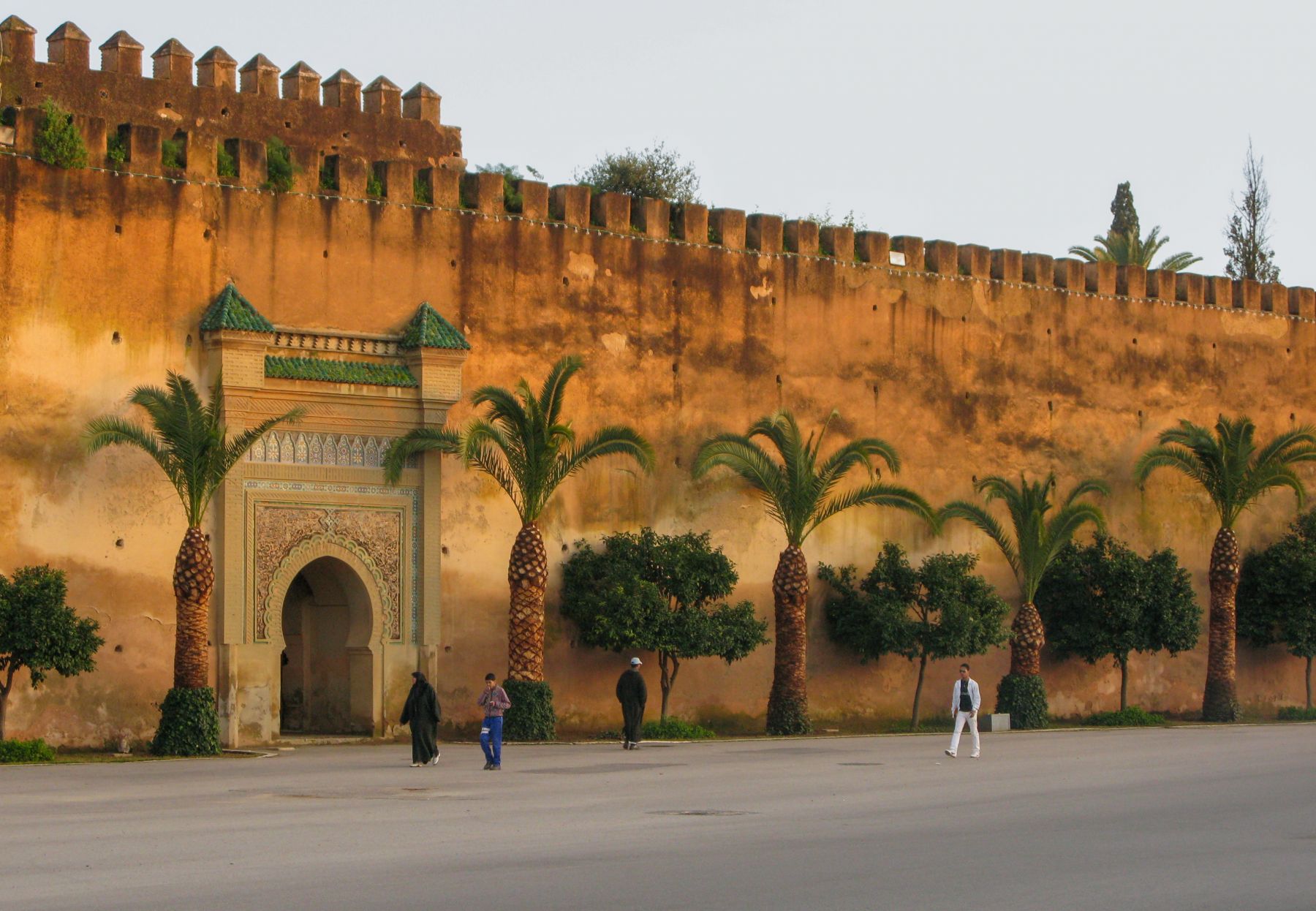
Meknes showcases its imperial past through impressive architecture and grand gates.
Exploring these cities in an express tour can be a whirlwind, but it's an efficient way to get a taste of Morocco's cultural diversity.
 At a glance
| Day 1 | Welcome to Casablanca. Transfer to your hotel |
| Day 2 | Morning city tour. Continue to Meknes (city tour). On to Fes via Moulay Idriss |
| Day 3 | Full-day sightseeing tour of Fes |
| Day 4 | The tour ends with transfer to Fes Airport |
 Highlights
> Private tour operating daily
> English speaking driver
> Transportation in AC vehicle
> Tours in Casablanca, Meknes, Moulay Idriss and Fes with a local English-speaking guide
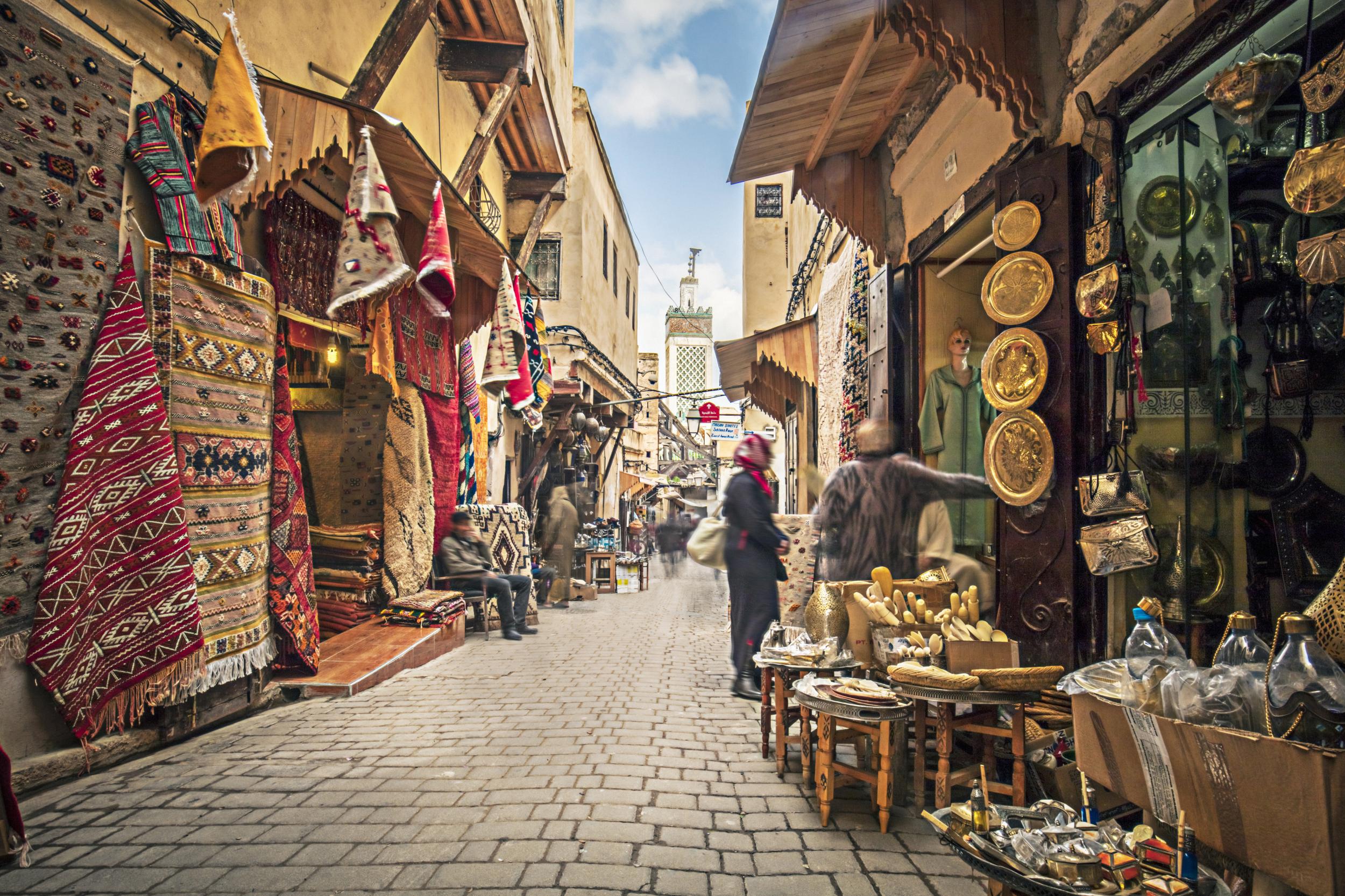
> Shopping opportunities in local souks
 Quick Contact
 Itinerary
Casablanca (D)
- Welcome to the Mohammed V Casablanca airport, where you are met by our representative
- Transfer to your hotel in Casablanca
- Dinner and overnight
Casablanca-Meknes-Fes (B-D)
- After breakfast, depart on a short visit of the Economic Capital. See the the Habous district, the Royal Palace, the Mohamed V square, the residential area of Anfa and the outside of the Mosque Hassan II.
- Travel to Meknes, the Ismailia capital with the longest ramparts in Morocco (40 km) .
- Optional lunch.
- Visit the famous Bab Mansour gate, the Royal Stables, and the Jewish Quarter.
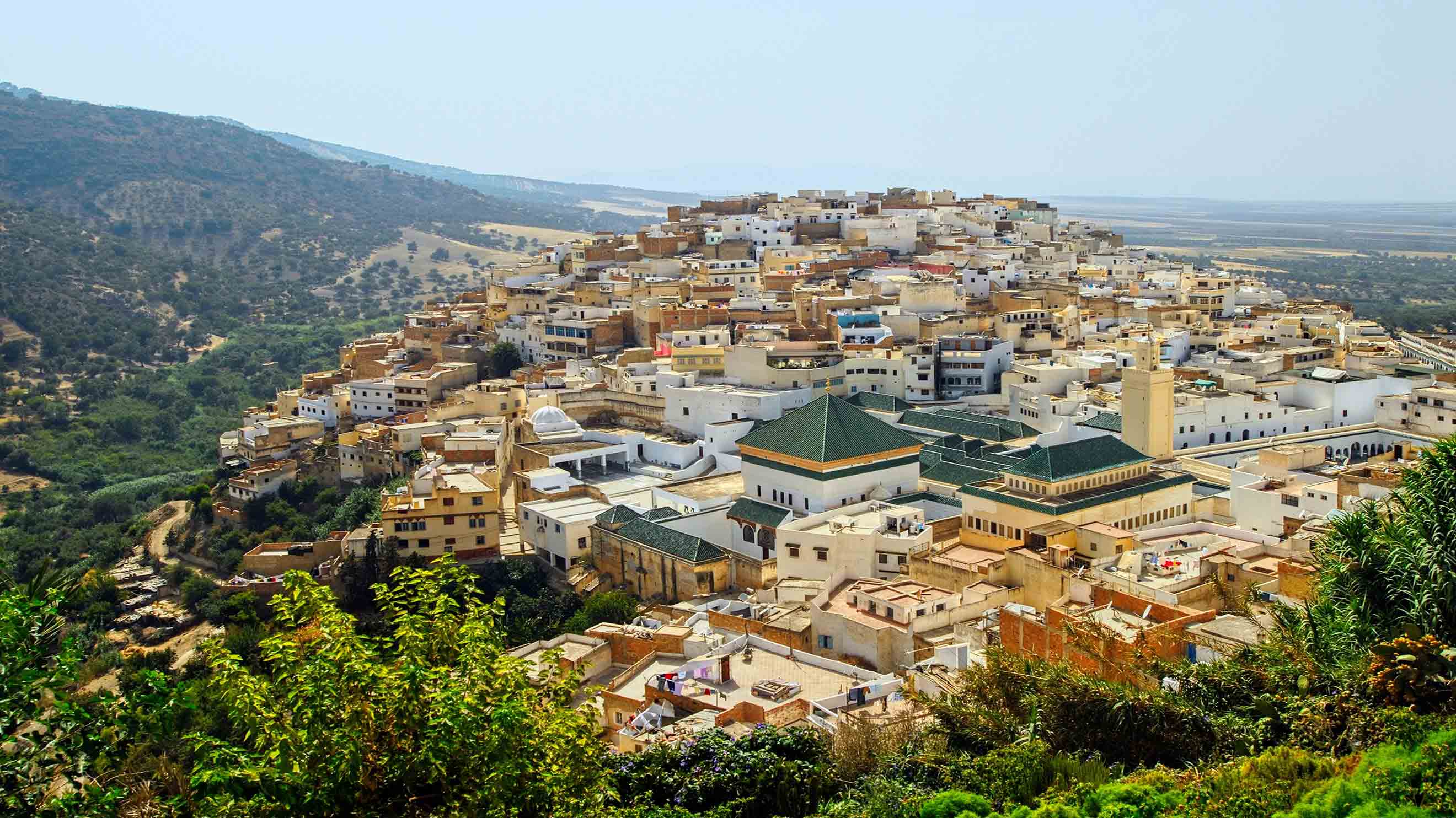
- Continue to the holy city of Moulay Driss (panoramic view) and visit the Roman ruins of Volubilis.
- Arrive in Fes for dinner and overnight.
Full day Fes Tour (B-D)
- The whole day is devoted to the visit of the spiritual capital.
- Visit the Medieval Medina and its souks, The Royal Palace, Attarine or Bou Anania Medersa, the Nejjarine fountain and the outside of Moulay Idriss mausoleum and Karaouine Mosque.
- Optional lunch in a traditional restaurant in the Medina.
 Inclusions
- Meet and assist on arrival and departure by our local representative
- Sightseeing tours and intercity transfers as per itinerary in AC vehicle
- Accommodation in selected hotels in double/twin sharing
- Meals: as mentioned
- Local English Speaking Guide
 Exclusions
- International/Domestic flights – Departure & Fuel taxes (Contact us for best airfares)
- Personal expenses, meals and drinks unless otherwise specified
- Travel Insurance
- Moroccan visa fee
- Tips
- Entrance fees
- Services not stated in the itinerary
 Validity
- Rate valid for travel between 24 FEB and 25 MAY 2024
Contact us for any other travel date required
 Country information
Best time to go
Spring (April and May) and Fall (September and October) are perhaps the best times to take a Morocco Tour. With a summer climate in the south and in the mountains, as well as on the Mediterranean and Atlantic coasts. Winter can be perfect by day in the south, though desert nights can get very cold. Traveling the Sahara Desert is idyllic during the months of November to February. The south is isolated from the rest of Morocco and is arguably the most hospitable, breath-taking and culturally interesting of any region in the country
Morocco food & drink
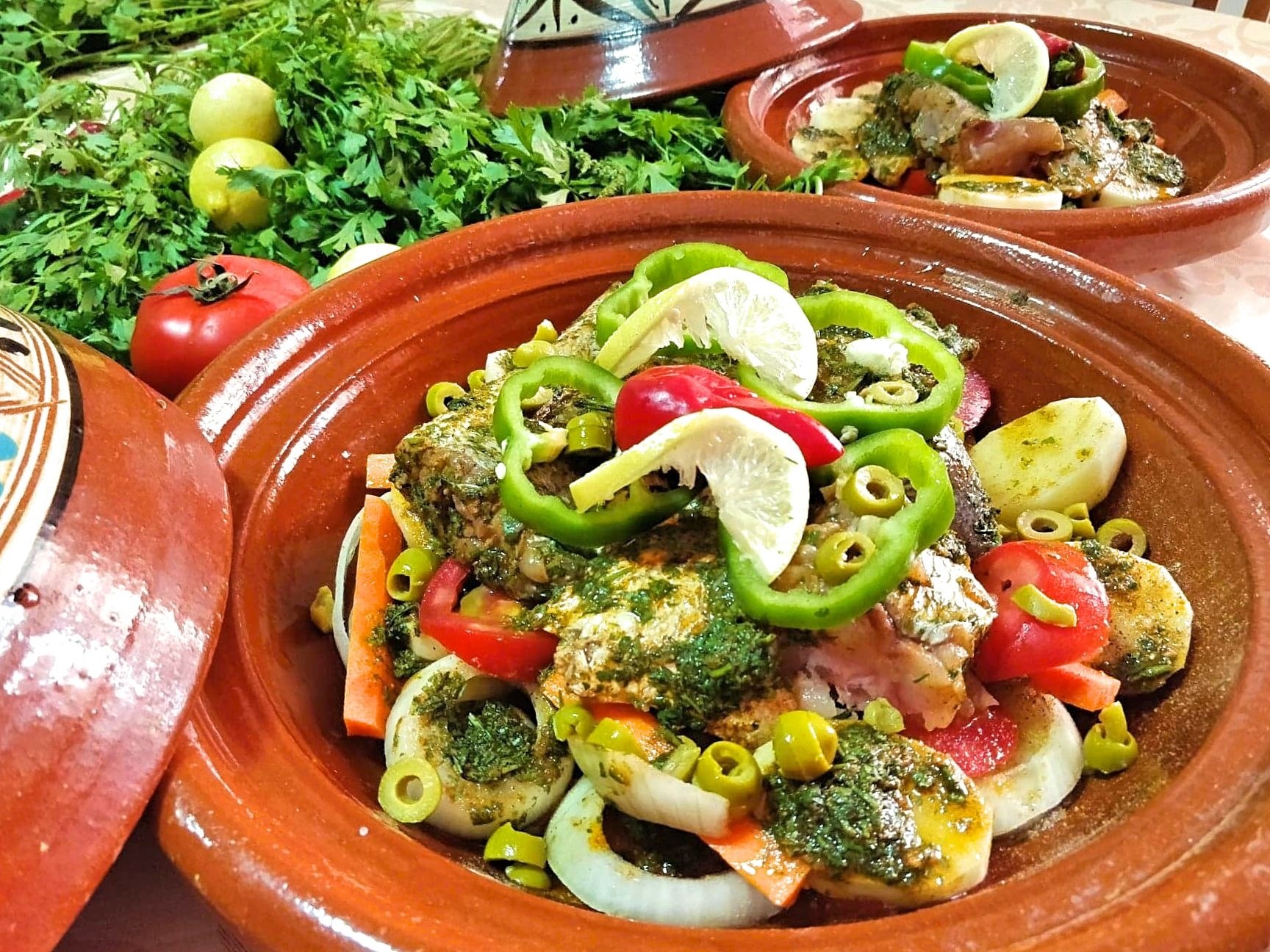
Moroccan cuisine is famous throughout the world and is quite unique. Full of subtle spices and tantalizing combinations of flavors, Morocco's cuisine is sure to please every palate. During your stay in Morocco, you must try the warming tagines, flaky pastillas, spicy hariras and fishy chermoula.
When you’re looking for something to drink, mint tea (known as Berber whiskey) is the national drink and you’ll find it enjoyed everywhere.
Culture and Language
Fridays are a holy day so expect shops and market stalls to close around midday. And during the month of Ramadan (the dates of which change every year), you should refrain from eating, drinking or smoking in public as a mark of respect. The consumption of alcohol is forbidden in Islam, but it can still be purchased in larger stores, especially in touristy areas, and in hotels and restaurants. Arabic and Berber are the official languages. French is often used for business, diplomatic and government issues
Morocco is a visual feast and it can be hard to know where to point your camera first! Landscapes are no problem as they rarely have an issue with their picture being taken. When photographing people though, it’s important to be respectful – imagine how you’d feel if strangers started to take your picture without a by-your-leave! Always ask permission first, and it helps if you get to know your subject a bit better. Moroccans are very friendly, and you should have no trouble getting to know them.
Getting around
Metered “Petit Taxi” are available in all major Moroccan cities. The cheapest and most popular way of getting around to country is to make use of the extensive Coach network. Private operators compete for travelers on the more popular routes. Casablanca has a super modern rapid transit tram system. Moroccan Rail (ONCF) has a network connecting North Morocco only. Centers such as Agadir and Essaouira do not have rail networks
Tipping
There are no hard and fast rules, but it’s generally accepted that a 10% tip is suitable when eating out and for tour guides. Round up your taxi fare to the nearest five dirhams, but don’t feel obliged to tip if you aren’t happy with the service.
Favourite Dishes
B’stilla: a flaky pastry pie is stuffed with steaming tender pigeon meat, almonds and eggs and spiced with aromatic saffron, cinnamon, and fresh coriander
Harira: a hearty bowl of soup, prepared with lamb broth, tomatoes, red lentils, chickpeas, topped with a squeeze of zesty lemon juice and a handful of chopped coriander
Tagine: slow-cooked stews always served with bread to mop up those smoky, hearty juices. Chicken slow-cooked with green olives and preserved lemons is perhaps the classic base, but lamb with plums and allspice is certainly a local favorite.
Ktefa: a traditional Moroccan dessert made with warqa pastry. It’s layered with delicious, sweetened fried almonds and covered with a custard sauce
Casablanca is the largest city and economic heart of Morocco
Meknes, the palaces, mosques, gardens, and lakes of Meknes – one of the country's most striking imperial cities – are surrounded by a massive fortified wall.
Fes is the most ancient of the imperial cities and unrivaled in the splendor and beauty of its monuments and architecture, it is the spiritual and cultural center of Morocco.
Moulay Idriss Zerhoun truly sounds like a place steeped in history and cultural significance. The fusion of its sacred heritage, architectural beauty, and the remnants of ancient civilizations make it a fascinating destination