
Madrid - Andalucia Costa del Sol Toledo - Madrid
Per person sharing
TOUR STARTS IN MADRID
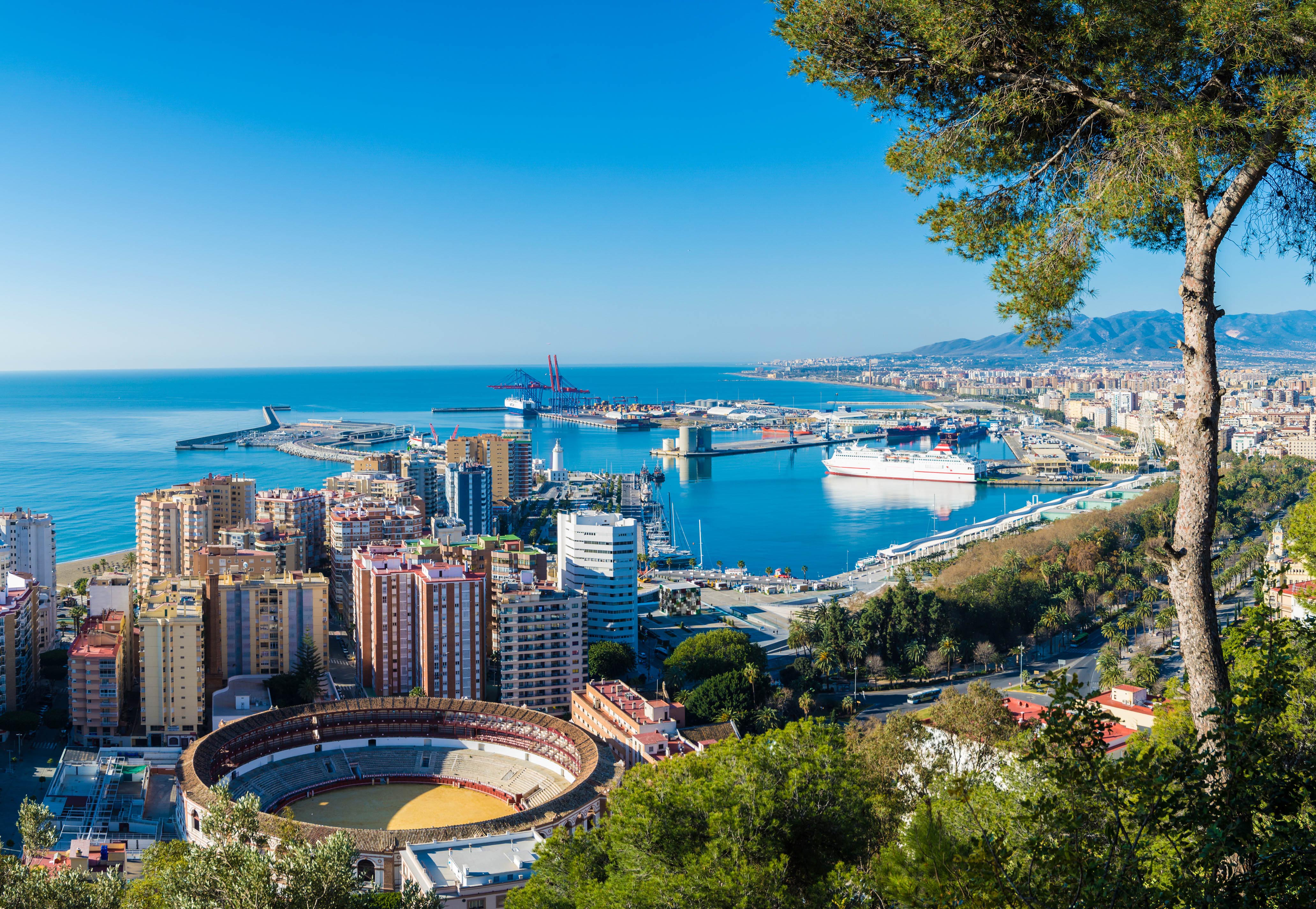
Explore the essence of Spain's Andalusia region with a captivating 7-day tour from Madrid. Traverse in comfort via air-conditioned coach to six magnificent destinations: Cordoba, Seville, Ronda, Granada, Toledo, and the sun-kissed Costa del Sol coastline.
Delight in a blend of guided tours and leisure time at the famous Costa del Sol.
Experience the allure of Granada, nestled at the base of the Sierra Nevada mountains. This comprehensive tour encompasses the highlights of Andalusia and the historic charms of Toledo. Experience the birthplace of Spanish conquerors and embrace the authentic Spanish way of life, all within the captivating backdrop of this enchanting tour
 At a glance
| TUE | Leave Madrid for Cordoba (City tour). Continue to Seville |
| WED | Morning City tour. Afternoon at leisure |
| THU | Take the White Village road to Ronda. Overnight in Torremolinos |
| FRI | Costa del Sol, day at leisure |
| SAT | Costa del Sol, day at leisure |
| SUN | Travel to Granada (City tour) |
| MON | Depart for Toledo (City tour). Return to Madrid |
 Highlights
- Travel in Comfort on our AC coaches
- Visit Cordoba, one's the largest city in Europe and a place of peaceful co-existence of three cultures, Jews - Muslims and Christians
- Learn more about Seville, world-renown for its culture, monuments and traditions
- Spend 3 nights at the glorious Costa del Sol
- Explore Granda, rich in history and culture
 Quick Contact
 Itinerary
Costa del Sol (B-D)
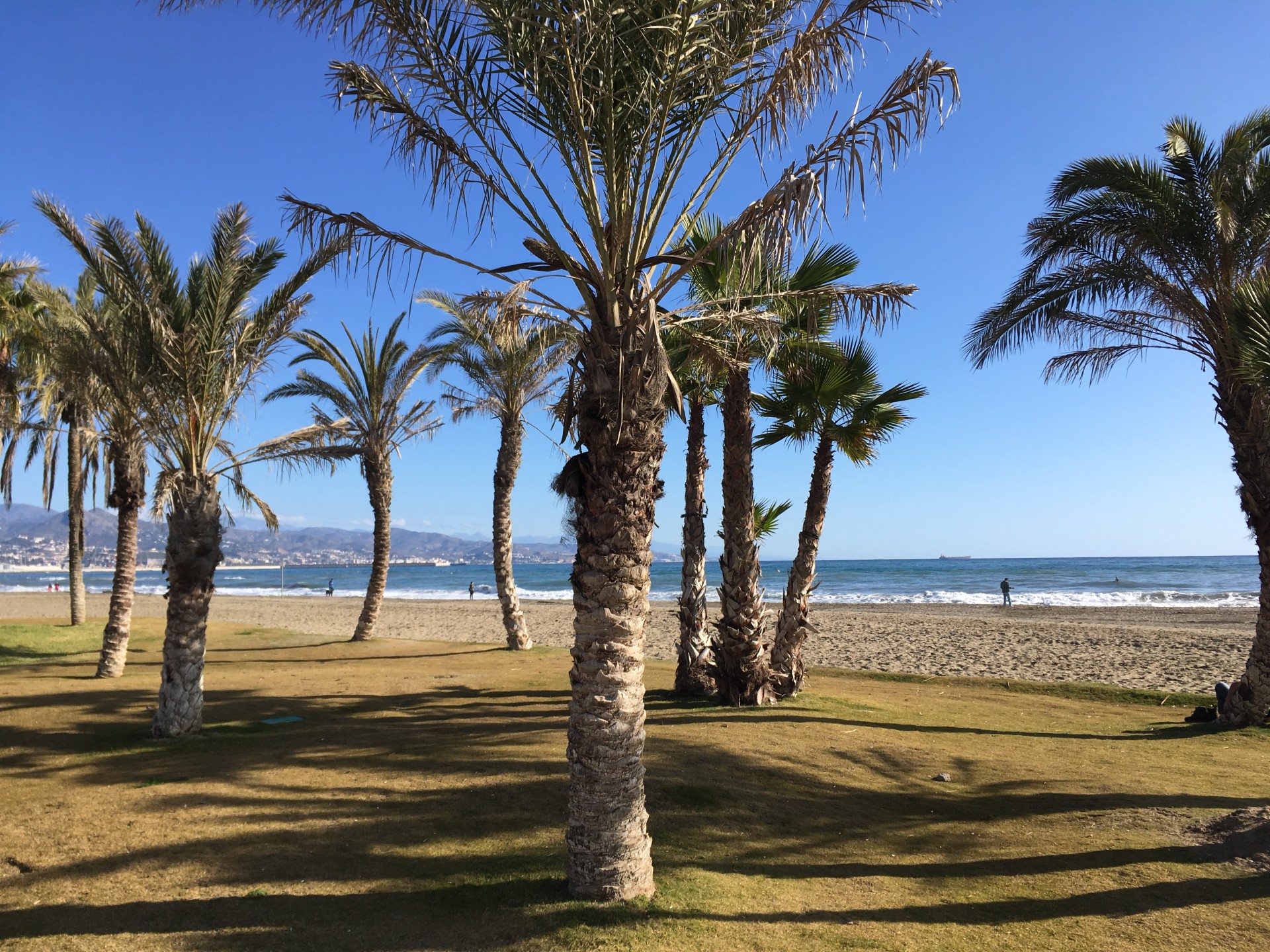
- Free day to explore Torremolinos or relaxing on the beaches
Costa del Sol (B-D)
- One more day to enjoy the sunshine of the Mediterranean Sea
Marbella – Granada (B-D)
- Breakfast at your hotel in Marbella.
- We then depart for Granada.
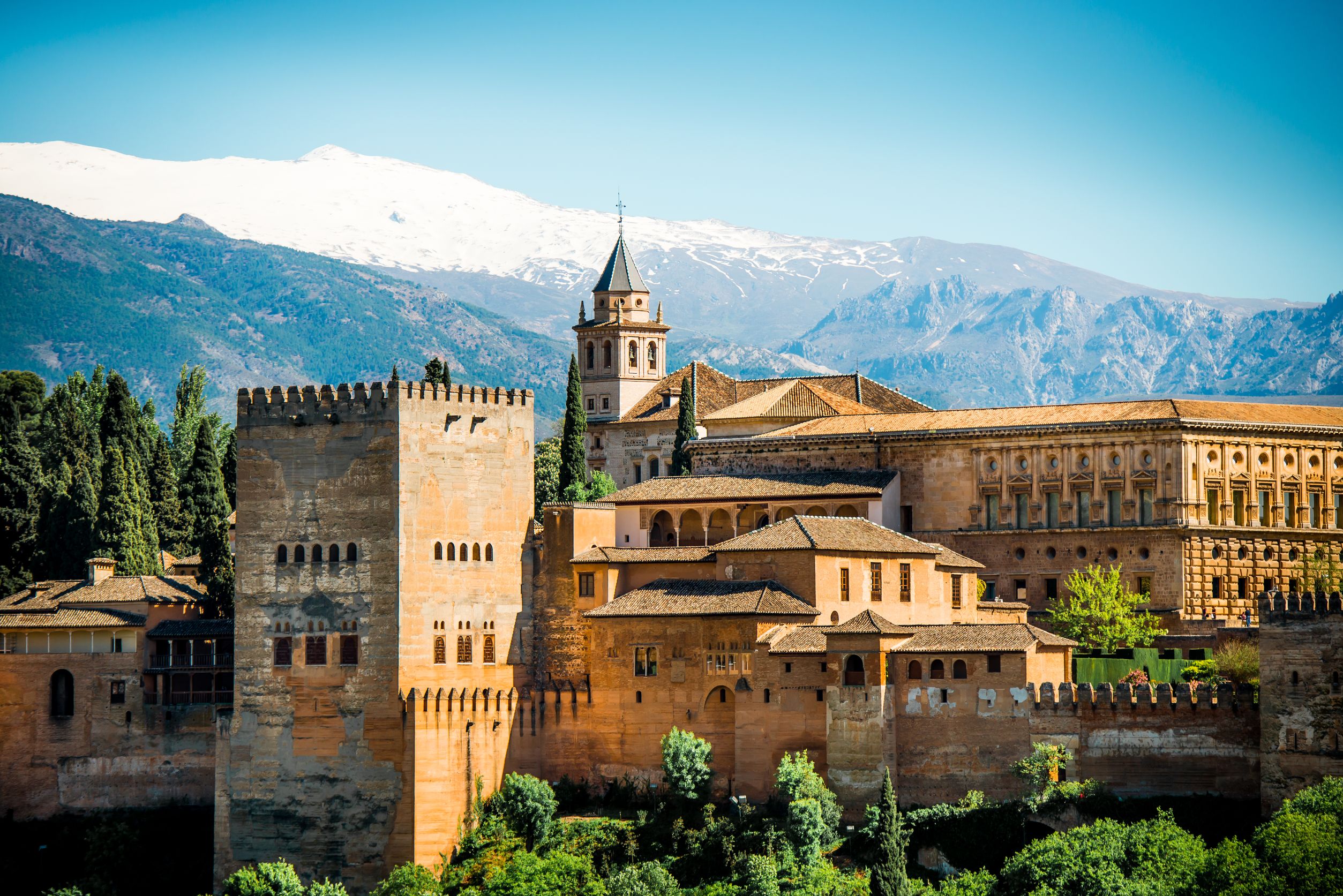
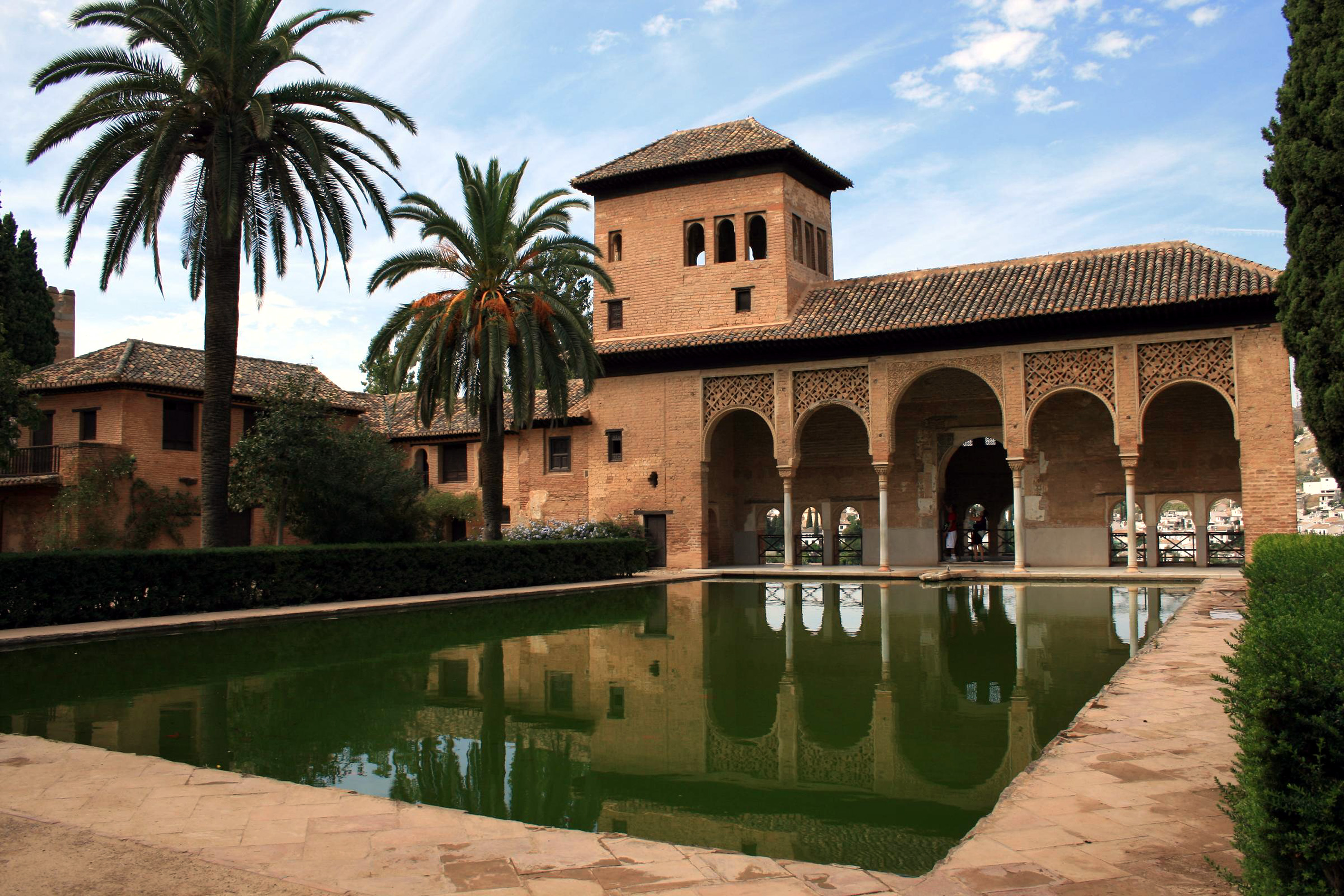
- Enjoy a sightseeing tour including the impressive Alhambra with its beautiful Nazari Palaces and the Generalife.
- Optional visit to the caves of Sacromonte and attend a typical show of gypsy flamenco.
- Dinner and overnight at your hotel in Granada.
 Inclusions
- Transportation in deluxe AC vehicle with panoramic windows and maximum comfort and safety.
- Experienced multilingual and English-speaking tour conductors during the tour helping you with your accommodations and assuring you of a pleasant vacation.
- Sightseeing tours as indicated, with expert local guides and entrance fees to the monuments.
- Accommodation in First Class hotels in double room sharing.
- Transportation of one baggage per person.
- Meal plan: as per itinerary.
 Exclusions
- International flights – Departure & Fuel taxes (Contact us for best airfares)
- Personal expenses, meals and drinks unless otherwise specified
- Travel insurance
- Spain Visa fee
- Tips
- Services not stated in the itinerary
 Validity
- DEPARTURES: Tuesdays all year
Rate valid for travel between 15 MAR 24 and 15 MAR 25
High Season supplements are applicable on Easter and for travel between 01 JUL and 31 OCT 24, as well as during the Congress season
Contact us for any other travel date required
 Country information
Best time to go
Spain has a perfect climate for anyone between April to May and again from September to October. During these months enjoy a mild climate and lesser crowds. Summer (June to end August) are the peak tourist months, where travellers flock to Spain to soak up the sun. Temperatures dip from November onwards and depending on where you travel, winter gear will be required.
Spain food & drink
Gastronomy in Spain is an adventure and changes from region to region. Each province claims its own unique flavor
A budget way to sample the local food is to order Menus del Dia (Menu of the day). It includes a soup or a salad followed by a main course with a side dish. Dessert ends of your meal
Sangria is Spain’s most known drink: a fruit punch made of red wine with chopped fruit mixed with honey and orange juice
Culture and Language
Life in Spain has experienced swift changes in recent years. However, hospitality, chivalry and courtesy is still the basis of every Spaniard towards visitors and a handshake is a common way of greeting a person. Lunchtime is taken between 14:00 and 15:30 and evening meals between 21:00 and 23:00. So plan your meals well. Spain has harshest anti-smoking laws in Europe.
The official language is Spanish (Castilian). English is widely spoken/understood in all major tourist destinations. Advisable is to learn some Spanish words/phrases, especially when traveling outside the main tourist areas.
Getting around
Domestic Air Travel in Spain is mostly inexpensive. Spain has an extensive bus and rail network and rates are very affordable. High-speed trains run between most popular cities. Taxis are safe and easy to find in all the main cities. A surcharge will be levied is your journey starts/ends at an airport, bus Terminal or Rail station.
Tipping
VAT (IVA) of 10% is included in your bill. Restaurants & Bards, an additional 5% is normal. Most people leave small change when settling their bill.
Money
Although debit and credit cards are generally accepted throughout Spain, it’s always best to have some spare euros with you for emergencies. Cashpoint (ATM) machines take Visa, MasterCard, but a fee of between 1.5 and 2% is charged on every withdrawal. Cash can be exchanged at various places in the city, such as banks or bureaux de change (called “Cambio”). The latter operate longer opening hours, but their rates are not as good. And in shops, you can always pay with your Visa, MasterCard or American Express (Amex) card (the most widely accepted ones).
Traditional dishes
Paella: Spain’s most famous dish made of rice, seafood, green vegetables and lots of seasoning
Tapas: small bites served before dinner. A Popular Tapas dish is Patatas Bravas (Served with a spicy sauce)
Gazpacho: Cold vegetable food with a tomato base
Pollo al Ajillo: chicken sautéed or simmered in white wine or sherry served with potatoes and a salad
Churros con chocolate: deep-fried twisted pastries served with dark chocolate
Caceres
Cáceres is a city in western Spain’s Extremadura region. Founded by the ancient Romans, it retains widespread evidence of subsequent occupation by many different cultures. Its old town, Ciudad Monumental, has a mix of Gothic and Renaissance architecture. With cobbled medieval streets, fortified houses and palaces. Encircled by 12th-century Moorish walls, it also has around 30 towers, some occupied by nesting storks.
Cordoba
The Mosque–Cathedral of Córdoba (Spanish: Mezquita-Catedral de Córdoba), also known as the Great Mosque of Córdoba and the Mezquita, whose ecclesiastical name is the Cathedral of Our Lady of the Assumption is the Catholic cathedral of the Diocese of Córdoba. Dedicated to the Assumption of the Virgin Mary and located in the Spanish region of Andalusia. The structure is regarded as one of the most accomplished monuments of Moorish architecture.
The site was originally a small temple of Christian Visigoth origin, the Catholic Basilica of Saint Vincent of Lérins. When Muslims conquered the Iberian peninsula in 711, the church was first divided into Muslim and Christian halves. This sharing arrangement of the site lasted until 784 when the Christian half was purchased by the Emir ‘Abd al-Rahman I, who then proceeded to demolish the original structure and build the grand mosque of Córdoba on its ground. Córdoba returned to Christian rule in 1236 during the Reconquista, and the building was converted to a Roman Catholic church, culminating in the insertion of a Renaissance cathedral nave in the 16th century.
Since the early 2000s, Spanish Muslims have lobbied the Roman Catholic Church to allow them to pray in the cathedral. This Muslim campaign has been rejected on multiple occasions, both by the church authorities in Spain and by the Vatican.
Seville
According to legend, Sevilla was founded by Hercules and its origins are linked with the Tartessian civilization. It was called Hispalis under the Romans and Isbiliya with the Moors. The high point in its history was following the discovery of America in 1492.
For all its important monuments and fascinating history, Sevilla is universally famous for being a joyous town. While the Sevillians are known for their wit and sparkle, the city itself is striking for its vitality. It is the largest town in Southern Spain, the city of Carmen, Don Juan and Figaro.
Ronda
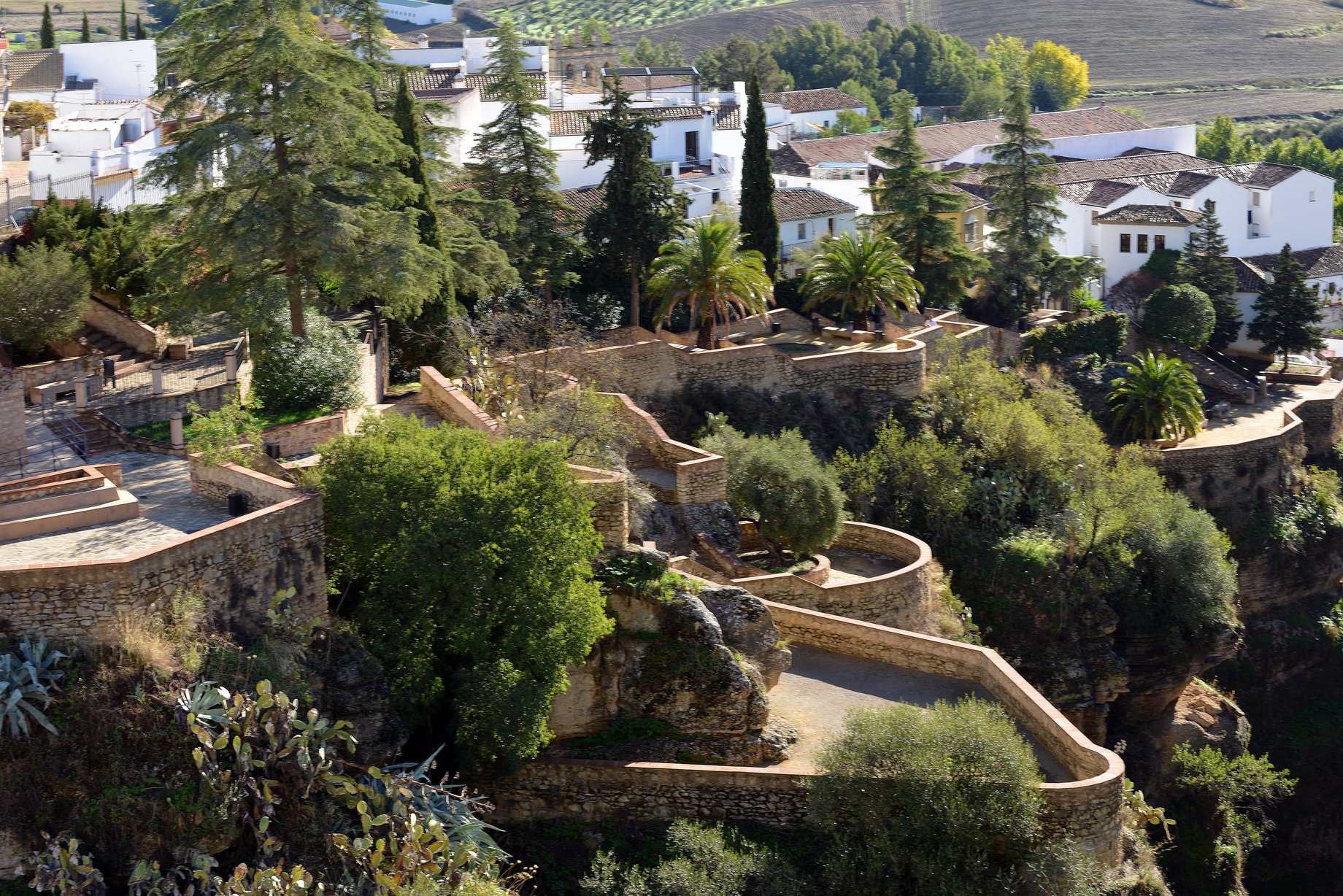
Despite being Andalucía’s fastest-growing town – it overtook Córdoba in the big three Andaluz tourist attractions, behind Sevilla and Granada, in the early 21st century – Ronda retains much of its historic charm, particularly its old town.
It is famous worldwide for its dramatic escarpments and views. And for the deep El Tajo gorge that carries the rio Guadalevín through its centre. Visitors make a beeline for the 18th century Puente Nuevo ‘new’ bridge, which straddles the 100m chasm below, for its unparalleled views out over the Serranía de Ronda mountains.
Marbella
Marbella is known as a glamorous resort town and is a favorite location of the rich and famous, boosted by foreign residents who are seduced by the lifestyle. But there’s plenty for ordinary folk to see and enjoy too in southern Spain’s answer to St Tropez.
Granada
Granada was first settled by native tribes in the prehistoric period and was known as Ilbyr. When the Romans colonized southern Spain, they built their own city here and called it Illibris. The Arabs, invading the peninsula in the 8th century, gave it its current name of Granada. It was the last Muslim city to fall to the Christians in 1492, at the hands of Queen Isabel of Castile and her husband Ferdinand of Aragon.
One of the most brilliant jewels of universal architecture is the Alhambra, a series of palaces and gardens built under the Nazari Dynasty in the 14th C. This mighty compound of buildings – including the summer palace called Generalife, with its fountains and gardens – stands at the foot of Spain’s highest mountain range, the Sierra Nevada, and overlooks the city below and the fertile plain of Granada.