

Morocco in Style Tour (Private)
Per person sharing
Morocco in Style begins in the vibrant city of Casablanca, setting the stage for an unforgettable 13-day journey through one of North Africa’s most captivating destinations.
From the Atlantic coastline to the blue-washed mountain town of Chefchaouen, this immersive adventure showcases Morocco’s remarkable diversity.
Travel through the imperial grandeur of Rabat, Meknes, and Fes, where ancient medinas, ornate palaces, and bustling souks reveal centuries of rich history and culture. Journey south through dramatic landscapes to the golden dunes of Merzouga, where the magical Sahara Desert offers breathtaking sunsets, camel rides, and unforgettable nights under starlit skies.
Discover majestic kasbahs, dramatic gorges, and scenic valleys as you continue through Morocco’s ever-changing landscapes before arriving in the vibrant heart of Marrakech. Explore lively markets, exquisite gardens, and architectural wonders that capture the essence of this enchanting country.
From Casablanca and Tangier to Chefchaouen, Fes, Merzouga, and Marrakech, this carefully curated itinerary offers a perfect blend of culture, history, adventure, and spectacular scenery—an extraordinary Moroccan experience filled with timeless charm and unforgettable memories.
 At a glance
| Day 1 | Arrive Casablanca. Meet and transfer to Hotel |
| Day 2 | Casablanca - Rabat - Tangier |
| Day 3 | Tangier |
| Day 4 | Tangier - Chefchaouen |
| Day 5 | Chefchaouen - Fes |
| Day 6 | Fes |
| Day 7 | Fès - Merzouga |
| Day 8 | Merzouga - Dades Valley |
| Day 9 | Dades - Ouarzazate |
| Day 10 | Ouarzazate - Marrakech |
| Day 11 | Marrakech |
| Day 12 | Marrakech - Casablanca |
| Day 13 | Services end with transfer to Casablanca Airport |
 Highlights
> Daily departures
> Private English-speaking driver throughout the tour
> Sightseeing tours with professional Local English-speaking guides
> Freedom to experience each city at your own pace
> Visit the markets and popular art districts in Marrakech
> Travel on a spectacular journey through the Atlas Mountains and Valleys to Merzouga, gateway to the desert
> After Fes, travel to the famous Blue and White Village of Chefchaouen to Tangier
> Visit Rabat and end your journey in Casablanca
 Quick Contact
 Itinerary
Arrival in Casablanca
- On arrival at the airport in Casablanca will be greeted by our local representative and then you will be transferred to hotel.
Casablanca - Rabat - Tangier (B)
- Breakfast at the hotel
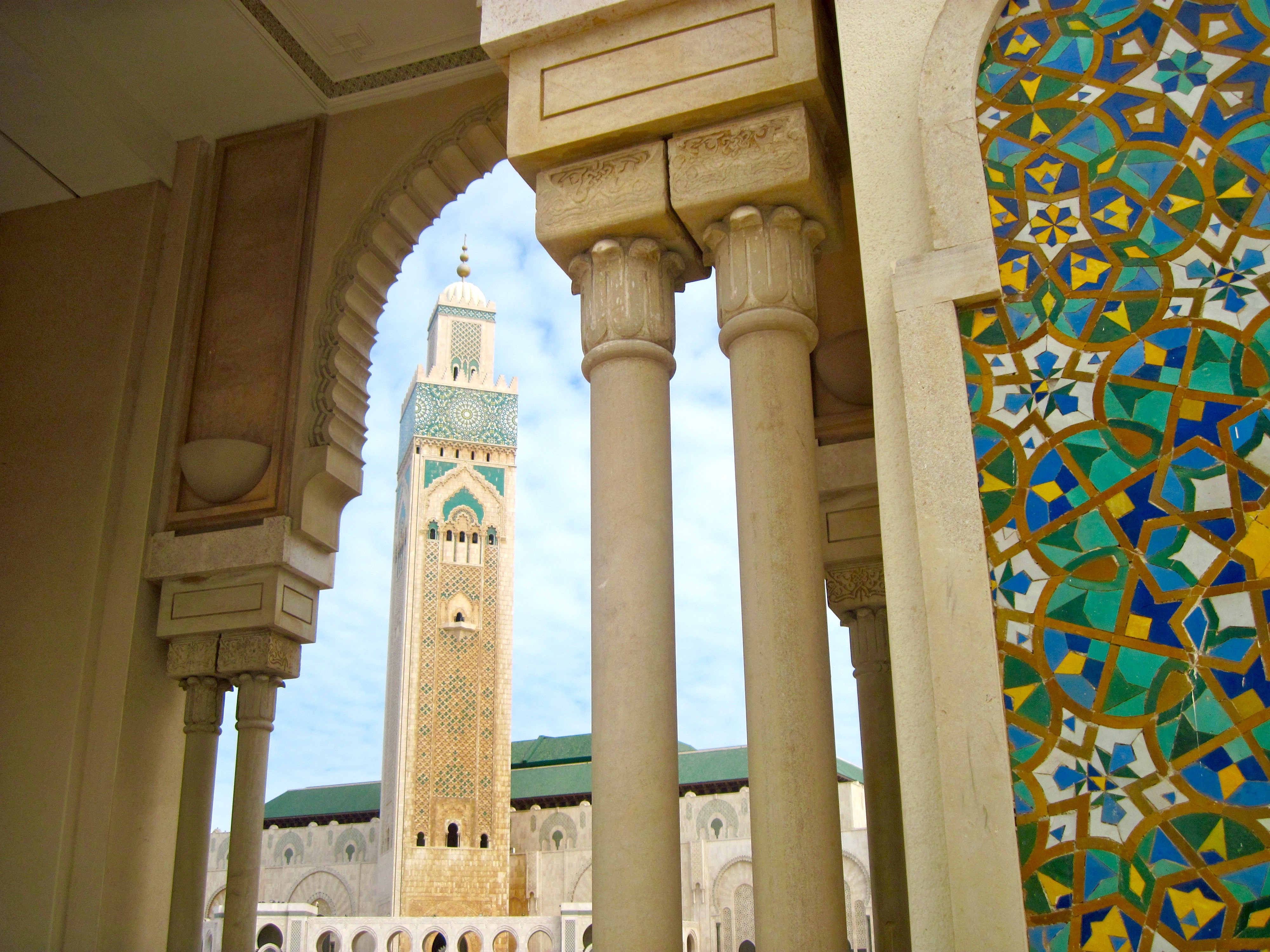
- Drive to Rabat for a Half-day sightseeing in Rabat, including the Hassan Tower, Royal Palace, and Oudaya Kasbah
- Continue to Tangier and check in at your hotel for overnight
Tangier (B)
- After breakfast, start your day with a City tour of the city.
- Visit Hercules Caves (included), explore the Kasbah and Medina
- Afternoon at leisure
- Overnight in Tangier
 Inclusions
- Return Airfares on Emirates Airlines from Johannesburg (Specific and Limited Seats)
- Meet and assist on arrival and departure by our local representative
- Sightseeing tours and intercity transfers as per itinerary in an AC private vehicle
- English-speaking driver throughout the tour
- Accommodation in selected hotels in double room sharing
- Meals: as mentioned
- Local English-speaking guide during tours
 Exclusions
- Personal expenses, meals and drinks unless otherwise specified
- Travel insurance
- Morocco visa fee
- Tips
- Entrance fees
- Services not stated in the itinerary
 Validity
- Rate valid for travel between 01 and 30 September 26
- Seasonal supplements may be applicable
 Country information
Best time to go
Spring (April and May) and Fall (September and October) are perhaps the best times to take a Morocco Tour. With a summer climate in the south and in the mountains, as well as on the Mediterranean and Atlantic coasts. Winter can be perfect by day in the south, though desert nights can get very cold. Traveling the Sahara Desert is idyllic during the months of November to February. The south is isolated from the rest of Morocco and is arguably the most hospitable, breath-taking and culturally interesting of any region in the country
Morocco food & drink
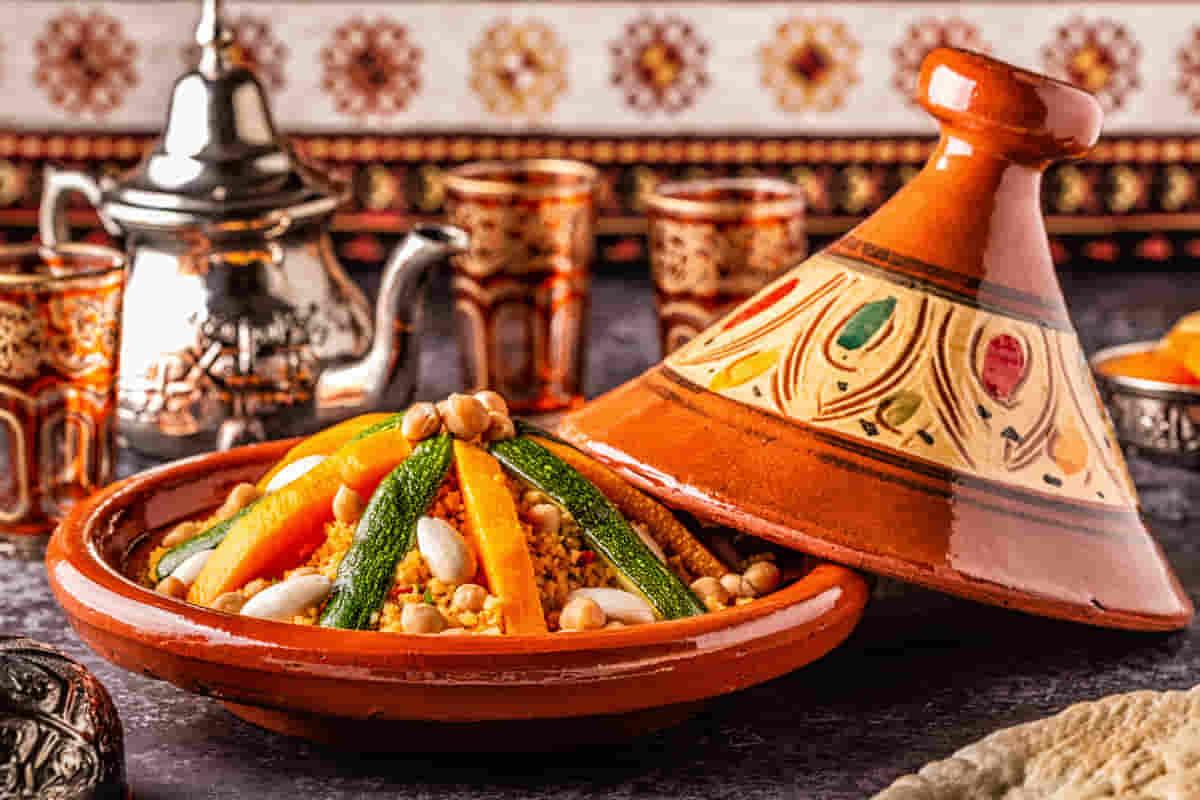
Moroccan cuisine is famous throughout the world and is quite unique. Full of subtle spices and tantalising combinations of flavours, Morocco's cuisine is sure to please every palate. During your stay in Morocco you must try the warming tagines, flaky pastillas, spicy hariras and fishy chermoula.
When you’re looking for something to drink, mint tea (known as Berber whiskey) is the national drink and you’ll find it enjoyed everywhere.
Culture and Language
Fridays are a holy day so expect shops and market stalls to close around midday. And during the month of Ramadan (the dates of which change every year) you should refrain from eating, drinking or smoking in public as a mark of respect. The consumption of alcohol is forbidden in Islam, but it can still be purchased in larger stores, especially in touristy areas, and in hotels and restaurants. Arabic and Berber are the official languages. French is often used for business, diplomatic and government issues
Morocco is a visual feast and it can be hard to know where to point your camera first! Landscapes are no problem as they rarely have an issue with their picture being taken. When photographing people though, it’s important to be respectful – imagine how you’d feel if strangers started to take your picture without a by-your-leave! Always ask permission first, and it helps if you get to know your subject a bit better. Moroccans are very friendly, and you should have no trouble getting to know them.
Getting around
Metered “Petit Taxi” are available in all major Moroccan cities. The cheapest and most popular way of getting around to country is to make use of the extensive Coach network. Private operators compete for travellers on the more popular routes. Casablanca has a super modern rapid transit tram system. Moroccan Rail (ONCF) has a network connecting North Morocco only. Centres such as Agadir and Essaouira do not have rail networks
Tipping
There are no hard and fast rules, but it’s generally accepted that a 10% tip is suitable when eating out and for tour guides. Round up your taxi fare to the nearest five dirhams, but don’t feel obliged to tip if you aren’t happy with the service.
Favourite Dishes
B’stilla: a flaky pastry pie is stuffed with steaming tender pigeon meat, almonds and eggs and spiced with aromatic saffron, cinnamon and fresh coriander
Harira: a hearty bowl of soup, prepared with lamb broth, tomatoes, red lentils, chickpeas, topped with a squeeze of zesty lemon juice and a handful of chopped coriander
Tagine: slow-cooked stews always served with bread to mop up those smoky, hearty juices. Chicken slow-cooked with green olives and preserved lemons is perhaps the classic base, but lamb with plums and allspice is certainly a local favourite.
Ktefa: a traditional Moroccan dessert made with warqa pastry. It’s layered with delicious, sweetened fried almonds and covered with a custard sauce
Casablanca
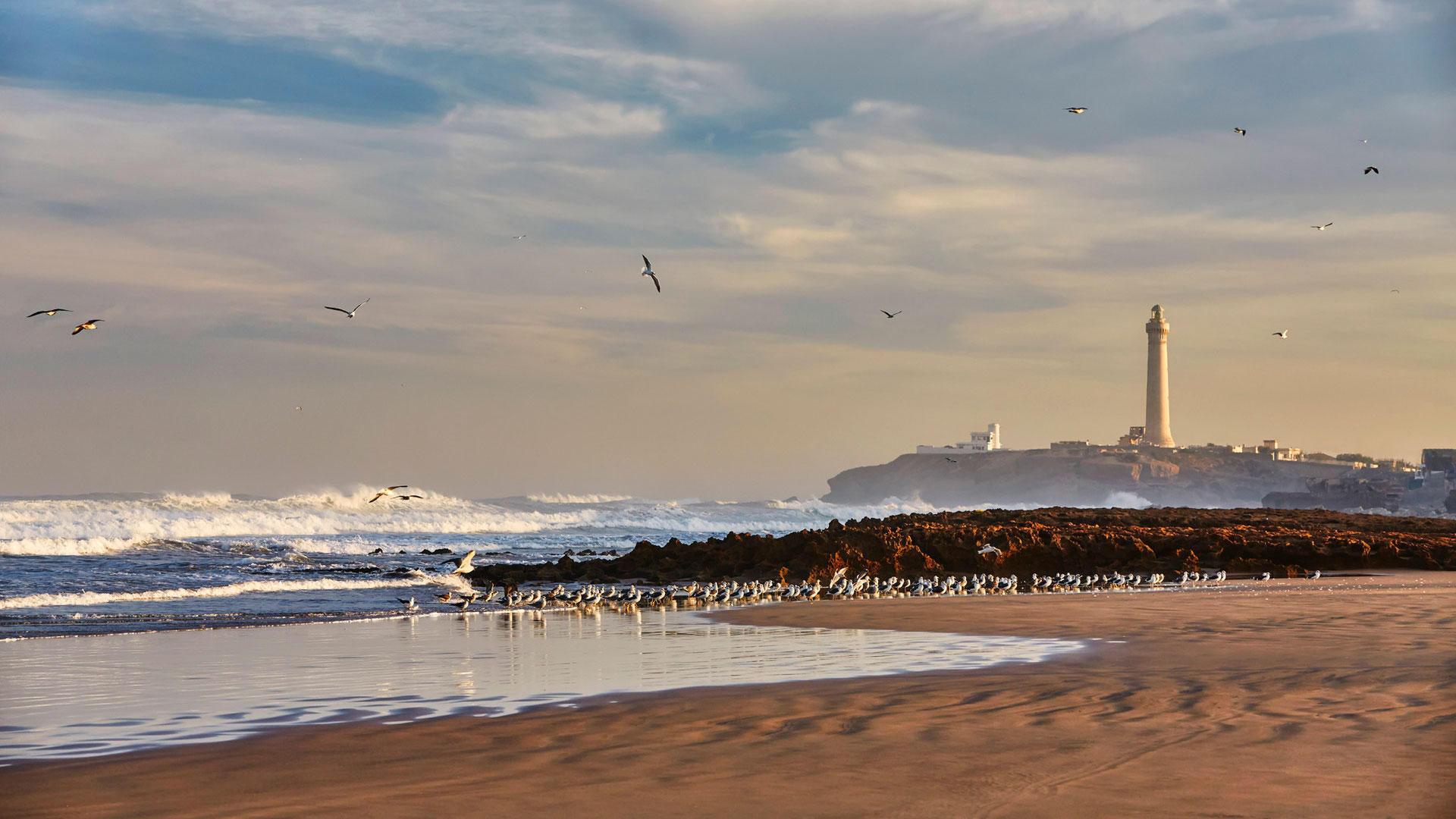
Start your Morocco tour in Casablanca, a city for tourists who like to feel like a local, rather than a tourist. Also, those who want to experience the present as well as learn about the past. The size of Casablanca, Morocco’s most populous city, means visitors have to make an effort to discover its hidden details. Some of which are its fascinating architecture and diverse building styles, from Art Deco to ultra-modern. It is a great restaurant city, dine at Rick’s Café, not only for the food but for the sultry atmosphere inspired by the bar made famous in the iconic film.
Marrakech
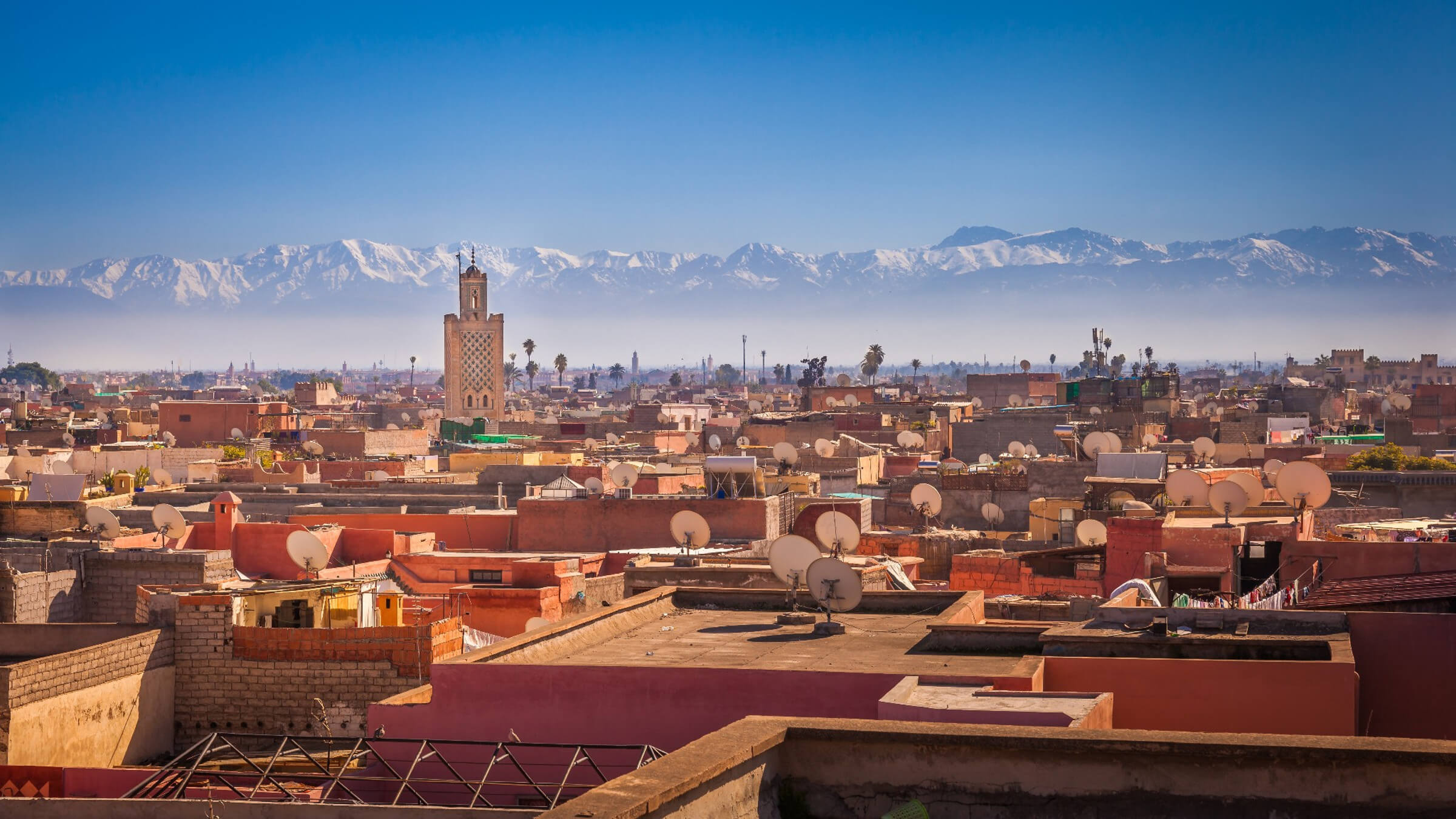
A mixture of traditional and contemporary. Marrakech holds the promise of incomparable sensations. Stroll through the Jemaa El Fna and the bazaars with their bright colors and oriental scents. The red city will whisk you into another world in the blink of an eye. Rides in horse-drawn carriages, sun-soaked terraces, street artists and other activities both day and night will all add to your stay in Morocco.
Ouarzazate
Once an isolated military outpost during the French Occupation, the city of Ouarzazate is nestled on a barren, rocky plateau south of the High Atlas Mountains, at an altitude of 1160 m. It is known as the “doorway to the desert,” since its vast, arid surroundings mark the beginning of the Sahara desert, a change in landscape, which in itself, is a spectacle to encounter. Mountains and valleys with beautiful windswept formations roll for as far as the eye can see, and the expanse of something so absolute never fails to impress. The Berbers and nomads who inhabit these regions of Morocco call them the Hamada, which literally means ‘desert scrubland’ and the word ‘Ouarzazate’ means “noiseless” in Tamazigh, capturing its remote and serene setting.
Tinerhir
Morocco trips are filled with excitement and magnificent landscapes. Tinerhir is one of these places. It is a village between two oases. In the northern part of Tinerhir, you will find a passage leading to the Todra Gorge. The gorge is a splendid representation of what nature as an artist can do with water and red clay. It will make an impression even from the village of Tinerhir. East of Tinerhir is the Tinerhir Oasis. The oasis is a lot like Todra with its design and aesthetic appeal. The Todra Gorge is the main activity in Tinerhir for tourists, but it should not be your only stop.
Merzouga
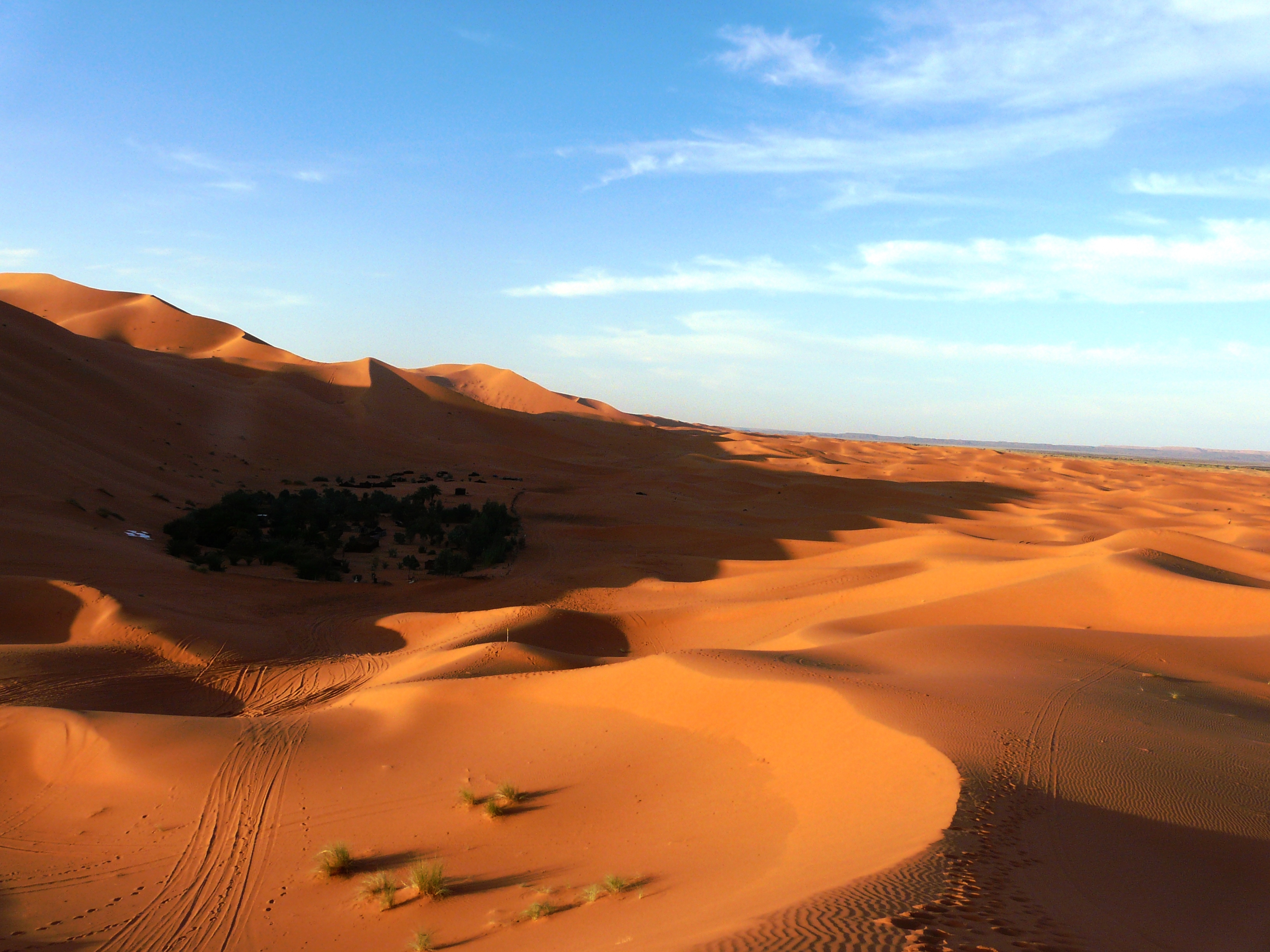
Merzouga is a small Moroccan town in the Sahara Desert, near the Algerian border. It’s known as a gateway to Erg Chebbi, a huge expanse of sand dunes north of town. West of Merzouga, Dayet Srji is a seasonal salt lake that’s often dry in summer. When full, it attracts a wide range of migratory and desert birds, including desert warblers, Egyptian nightjars and, occasionally, flamingos. Merzouga is a dream desert destination filled with camel rides and ethereal desert beauty.
Fes
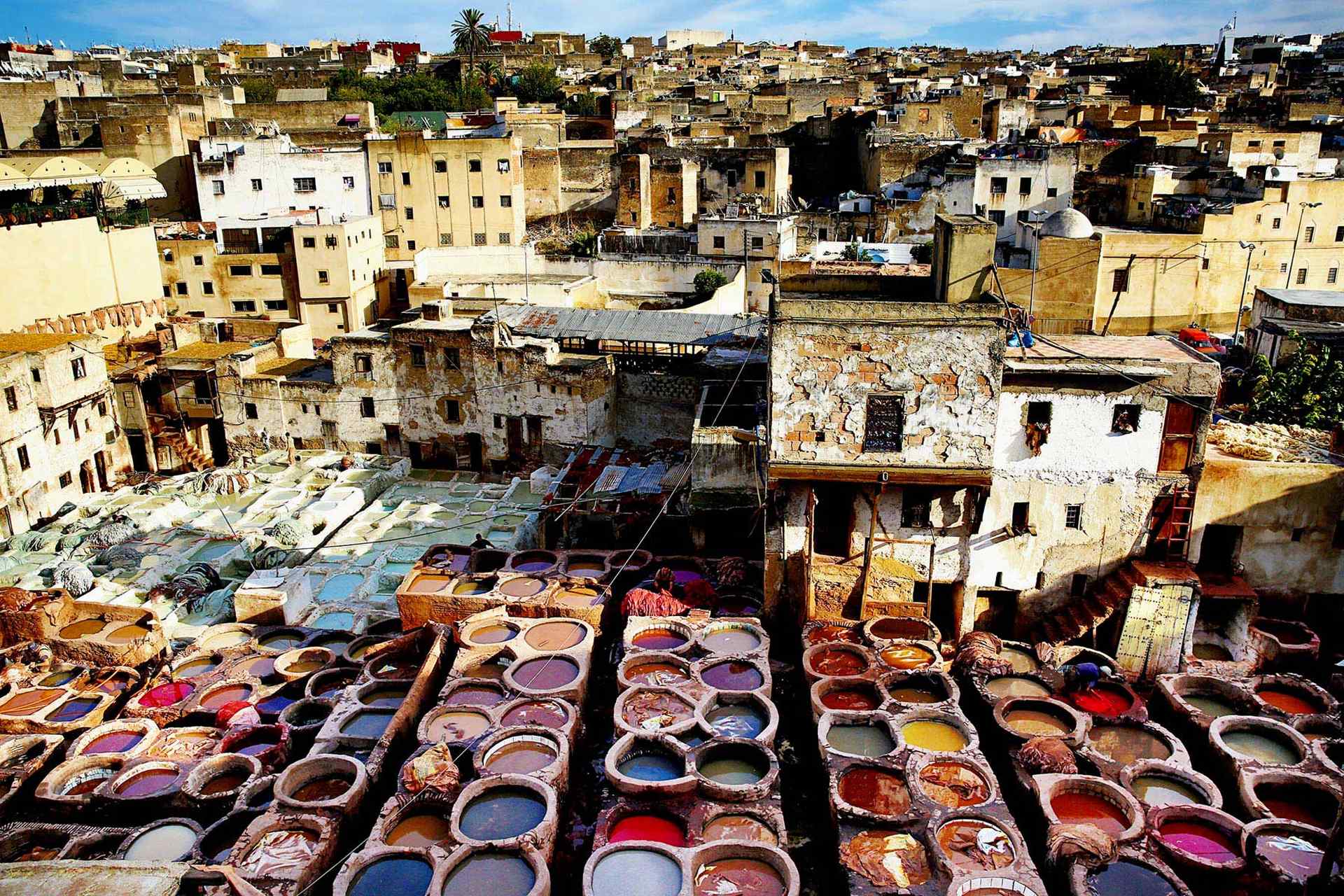
Fes vies with Marrakesh for the title of Morocco’s most exotic city. This is the country’s spiritual capital, and despite the encroachment of modernity, it has maintained its authentic appeal down through the ages, holding onto its stately bearing as an Imperial City. Its minaret and dome-punctured skyline and timeless, crumbling Islamic architecture are top things to see for tourists. With historic buildings on every corner, this is a Moroccan metropolis that shouldn’t be missed.
Chefchaouen
The special appeal of Chefchaouen goes beyond its prime mountainside location. Travellers are fascinated by the surreal impression it leaves. The facades of its houses are painted blue and white so that the whole city appears to be drenched in Azure. Walking here feels like moving through a dream.
Tangier
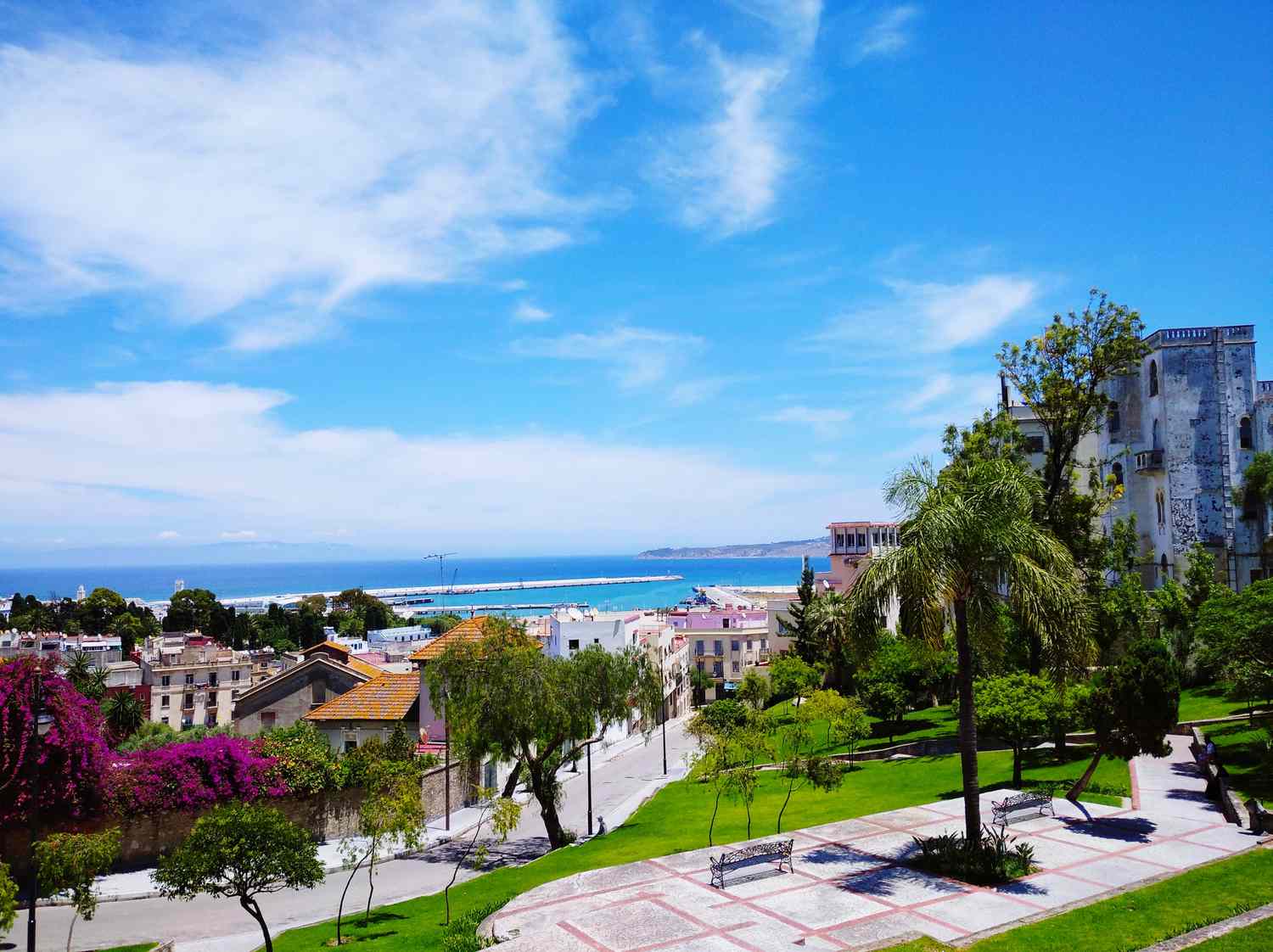
Tangier is a true port town with all of the international, cross-cultural influence and great seafood that implies. Sip on a fresh-squeezed orange juice on a balcony in the old kasbah, take in the breathtaking view over the Strait of Gibraltar and Southern Spain, feast on a tajine Pescado (fish stew with roasted tomatoes, a specialty of the region), and take a seat at one of the many cafés and bars to channel the vibes of the Beat Writers who made this city something of a pilgrimage in the 50s and 60s.
Rabat
Rabat is a cultural city with a rich history. Its streets and public squares are full of masterpieces. Pay a visit to the Kasbah of the Udayas, whose grand, majestic silhouette is softened by the surrounding gardens. Not far beyond its walls lies the Chellah, a necropolis that dates to the Marinids. Entering the complex is like journeying to another world: marvel at the ancient remains as you walk through the gardens and glimpse a few storks.